A cool roof is a roof surface engineered to reflect sunlight and release absorbed heat instead of soaking it up and passing it into the building. In a climate like ours, that difference is measured in tens of degrees at the roof surface, and the Environmental Protection Agency reports that solar reflectance from a cool roof can reduce peak cooling demand in air-conditioned homes by 11 to 27 percent. It is one of the few upgrades that improves comfort, energy use, and roof lifespan at the same time.
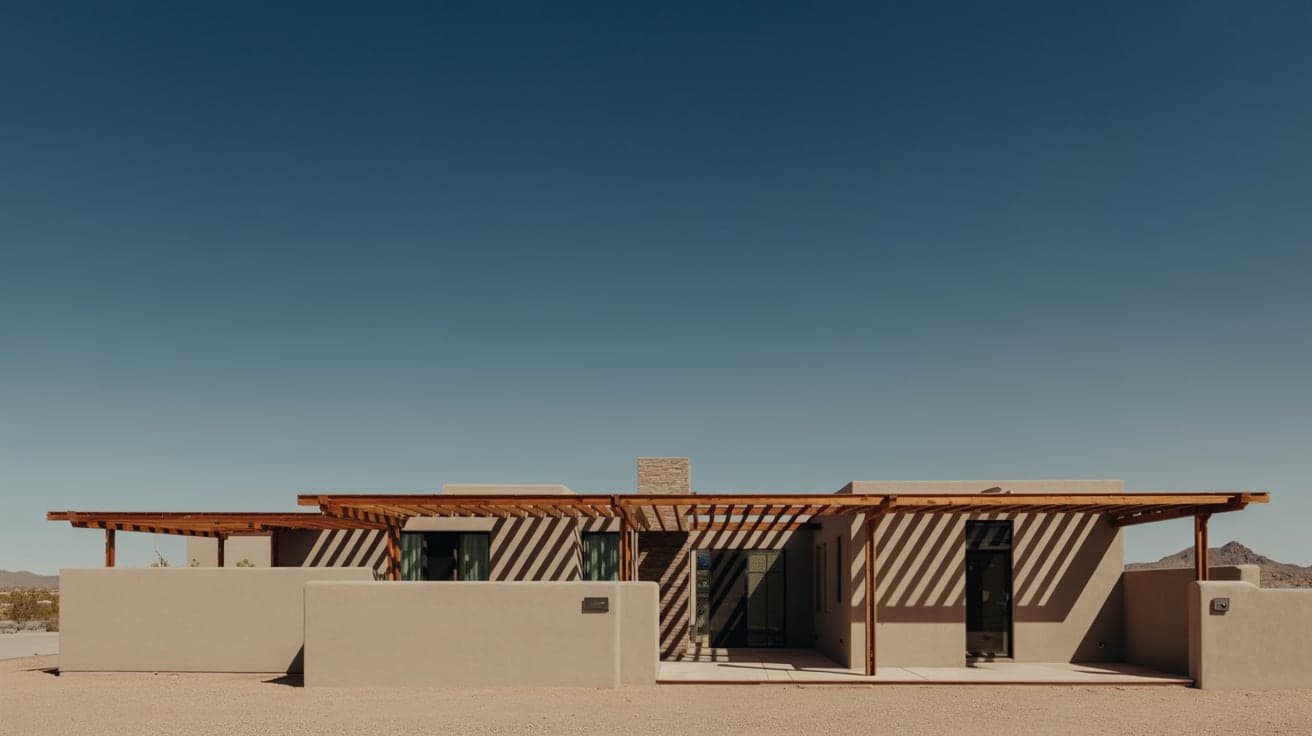
The Arizona sun draws many to our beautiful state, but it can also damage our homes and wallets. A cool roof system is one often overlooked solution for combating the intense heat and rising energy costs. At EcoRoof AZ, we're passionate about helping homeowners and businesses in Mesa and the wider Phoenix metro area discover the significant advantages of these innovative roofing solutions.
What Exactly Is a Cool Roof?
Unlike traditional roofs that absorb and retain significant solar heat, cool roofs are designed to reflect more sunlight and emit thermal radiation. This is typically achieved through highly reflective materials and specialized coatings.
Two measured properties define the performance, and both matter:
- Solar reflectance (SR) is the fraction of incoming sunlight the surface bounces back, on a scale of 0 to 1.
- Thermal emittance (TE) is how efficiently the surface radiates away the heat it does absorb, also on a 0 to 1 scale.
A surface can be reflective and still run hot if it holds onto what it absorbs, which is why a good cool roof needs high numbers in both columns. Those two values are combined into a single figure, the Solar Reflectance Index, calculated per ASTM E1980, where roughly 0 represents a standard black surface and 100 a standard white one.
How Much Cooler Does a Cool Roof Actually Get?
The clearest published comparison comes from the Heat Island Group at Lawrence Berkeley National Laboratory: on a typical summer afternoon, a clean white roof reflecting 80% of sunlight stays about 55°F cooler than a gray roof reflecting only 20%. Even without going white, the same source notes that a cool-colored roof reflecting 35% of sunlight runs about 22°F cooler than a roof that looks identical but reflects just 10%.
Those surface temperatures translate inside. The EPA reports that in homes without air conditioning, cool roofs can lower maximum indoor temperatures by 2.2 to 5.9°F, and in air-conditioned homes they cut peak cooling demand by 11 to 27 percent. Peak is the important word for Arizona, because peak is exactly when the grid is strained and the system is working hardest.
Why Choose a Cool Roof in Arizona?
- Significant Energy Savings: This is perhaps the most compelling benefit for Arizona residents. By reflecting more sunlight, your roof transfers less heat into your building. This means your air conditioning system doesn't have to work as hard, substantially reducing your monthly energy bills. Imagine putting that extra money back in your pocket!
- Improved Indoor Comfort: A cooler roof translates to a cooler interior. You'll experience more consistent and comfortable temperatures throughout your home or business, reducing those sweltering hot spots. Second-story bedrooms and rooms under a low-slope section are usually where the difference is most obvious.
- Extended Roof Lifespan: Arizona's extreme temperature fluctuations can put a lot of stress on traditional roofing materials, leading to premature wear and tear. Cool roofs help mitigate this by lowering the roof surface temperature, potentially extending its lifespan and saving you money on replacements in the long run. Daily expansion and contraction is what loosens fasteners, opens seams, and cracks sealants, and reducing the peak surface temperature reduces the size of that daily swing.
- Environmental Benefits: Cool roofs reduce energy consumption and contribute to a smaller carbon footprint. Additionally, they can help mitigate the urban heat island effect, making our communities cooler overall. That last point is not abstract in the Phoenix metro, where overnight low temperatures are a genuine public health issue in summer.
Which Cool Roof Options Work on Arizona Homes and Buildings?
There is no single cool roof product. There is a cool version of nearly every roof type we install.
| System | Where it fits | Notes for Arizona |
|---|---|---|
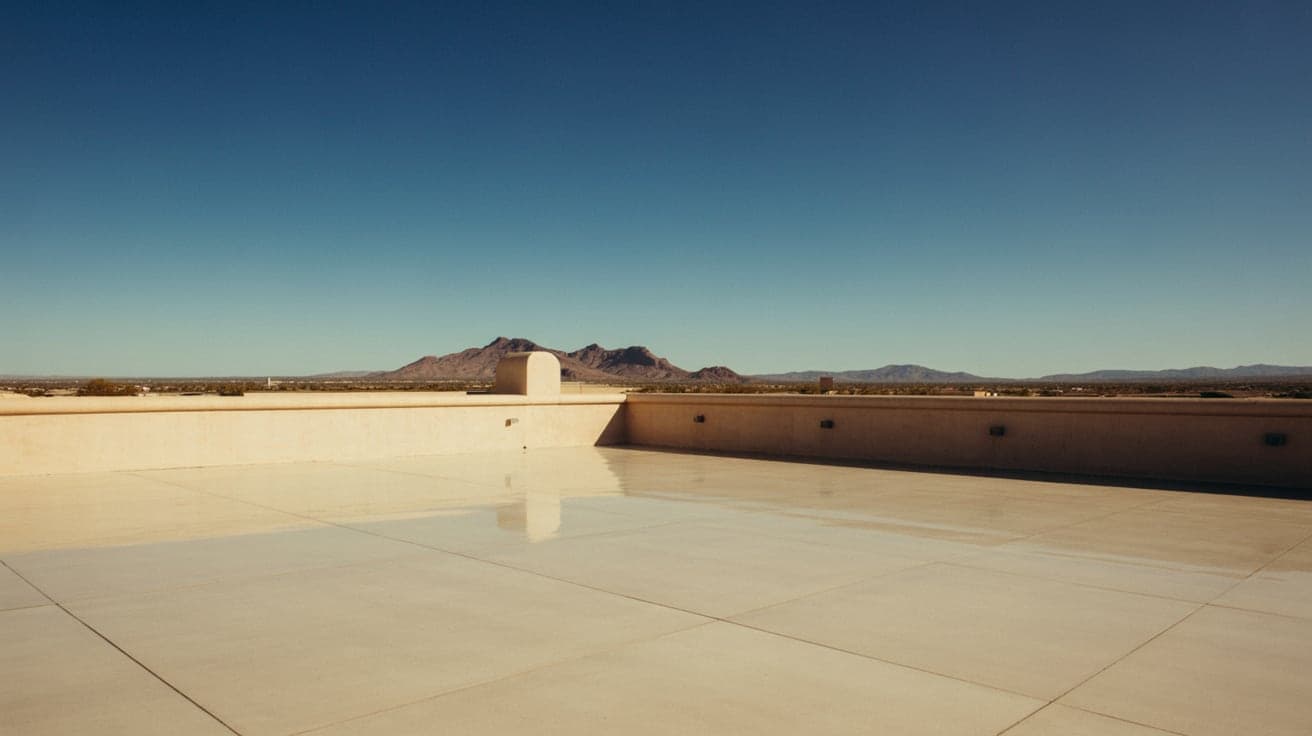
| Reflective elastomeric coating over foam or built-up | Flat and low-slope residential and commercial | Renewable on a recoat cycle rather than replaced outright |
| TPO or PVC single-ply membrane | Commercial low-slope | White membrane with factory reflectance built in |
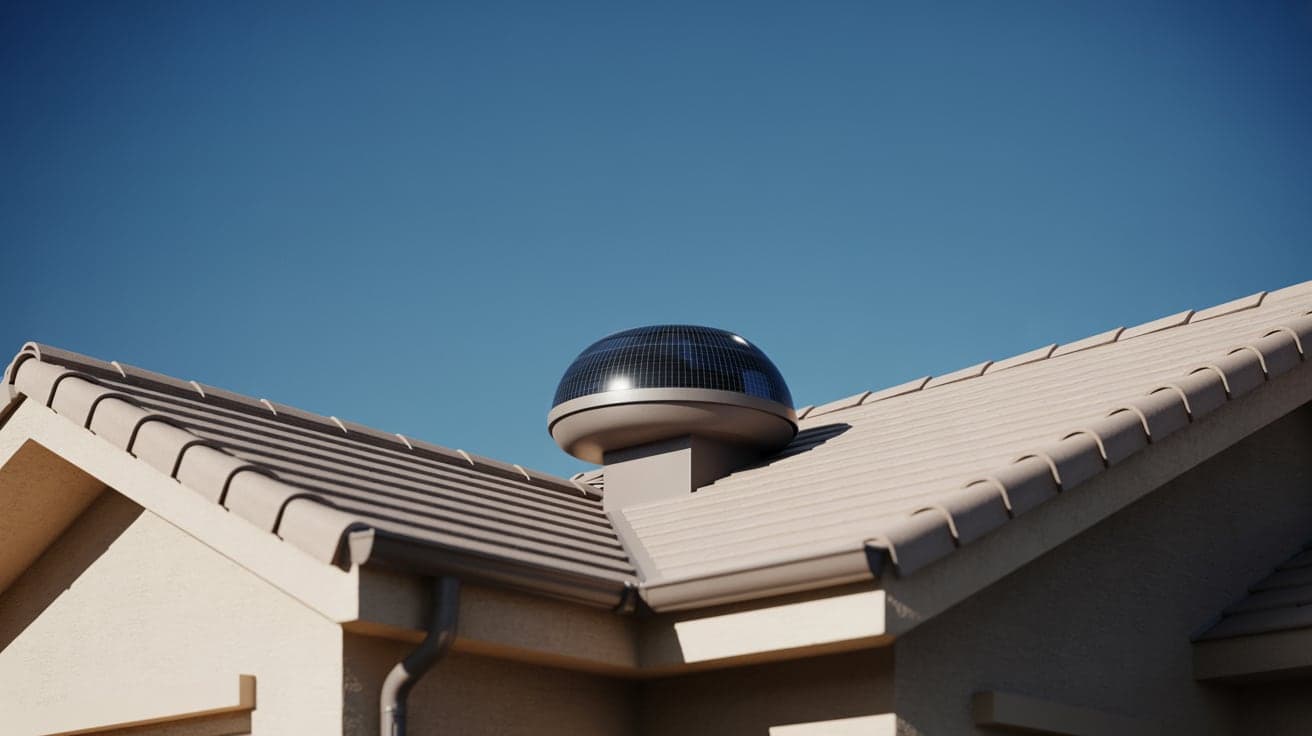
| Cool-rated concrete or clay tile | Pitched residential | Reflective pigments keep the traditional desert look |
| Cool-rated asphalt shingle | Pitched residential | Meets steep-slope reflectance thresholds without changing the roof type |
| Coated metal panel | Both | High reflectance and high emittance, long service life |
For commercial buildings, a reflective single-ply or coating system is usually the straightforward answer, and it pairs naturally with a maintenance program. Our commercial roof repair and maintenance work on flat roofs across Mesa and the East Valley is frequently a coating renewal rather than a tear-off, which is one of the underrated advantages of these systems.
How Do You Tell a Real Cool Roof From a White Paint Job?
This matters, because "reflective" is used loosely in advertising and painting a roof white is not the same thing as installing a cool roof system.
Ask for two things:
- A Cool Roof Rating Council listing. The CRRC maintains a public directory of rated roofing products with tested solar reflectance and thermal emittance values, reported both initial and three-year aged. Aged values are the honest ones, because reflectance drops as a roof weathers and collects desert dust.
- An ENERGY STAR qualification, where applicable. ENERGY STAR's roof product criteria call for low-slope products to hit an initial solar reflectance of at least 0.65 and at least 0.50 after three years of weathering. Steep-slope products must reach at least 0.25 initial and 0.15 aged.
If a contractor cannot point you to a rating for the specific product they intend to install, you are buying a color, not a performance level.
Does a Cool Roof Work Without Good Insulation and Ventilation?
It works, but it works alone, and it shouldn't have to. These three things address different stages of the same heat path.
- The cool roof surface reduces how much solar heat is absorbed in the first place.
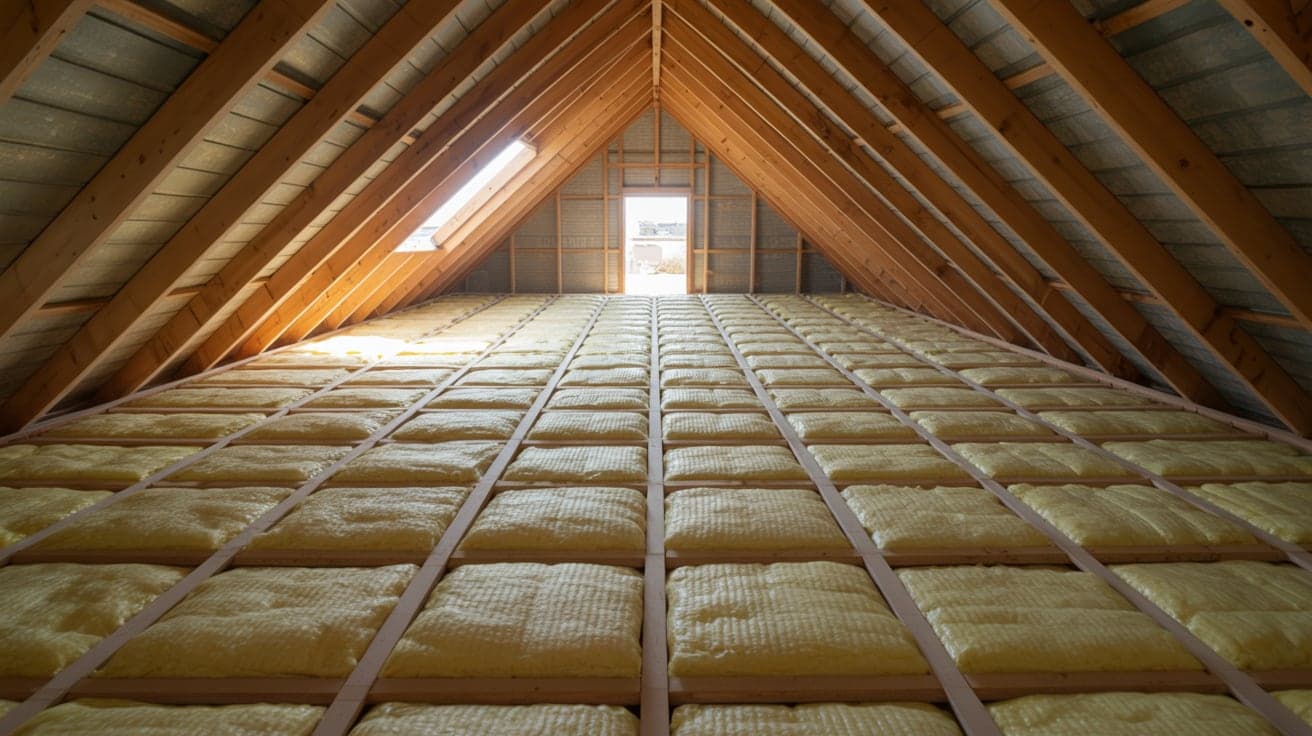
- Attic insulation slows the heat that does get absorbed from reaching your living space. The Department of Energy places the Phoenix metro in climate zone 2 and recommends R-30 to R-60 in the attic for that zone, which many older valley homes fall short of.
- Attic ventilation carries accumulated heat out. The International Residential Code sets the baseline net free ventilating area at 1/150 of the vented space, reducible to 1/300 when 40 to 50 percent of that area sits high in the attic with the balance at the eaves.
Blocked soffit vents are the single most common thing we find on hot Arizona attics, and no roof surface can compensate for a system that cannot exhaust.
Is a Cool Roof Right for You?
Suppose you're a homeowner or business owner in Arizona looking for ways to save money, improve comfort, and contribute to a more sustainable environment. In that case, a cool roof is worth considering.
It is an especially easy decision at two moments: when the roof is due for replacement anyway, and when a coated flat roof is coming up on its recoat cycle. In both cases the cool option is a specification choice within work you were already doing.
Ready to explore your cool roof options? At EcoRoof AZ, we offer free, no-obligation estimates for cool roof installation and can help you determine the best system for your specific needs. We are a family-owned, Arizona ROC licensed contractor (ROC 330901, CR-42) and a member of the Arizona Roofing Contractors Association, rated 4.8 stars across 385. Contact us today to learn more and take the first step towards a cooler, more energy-efficient future.