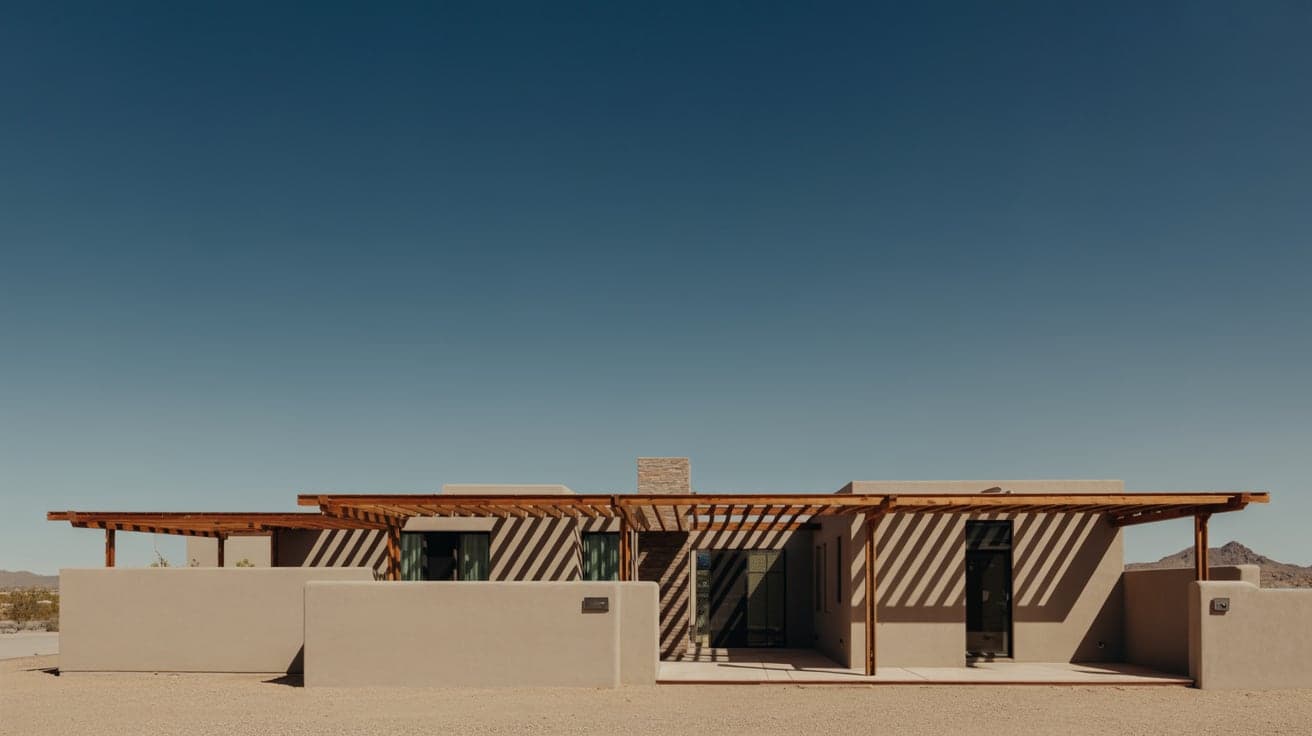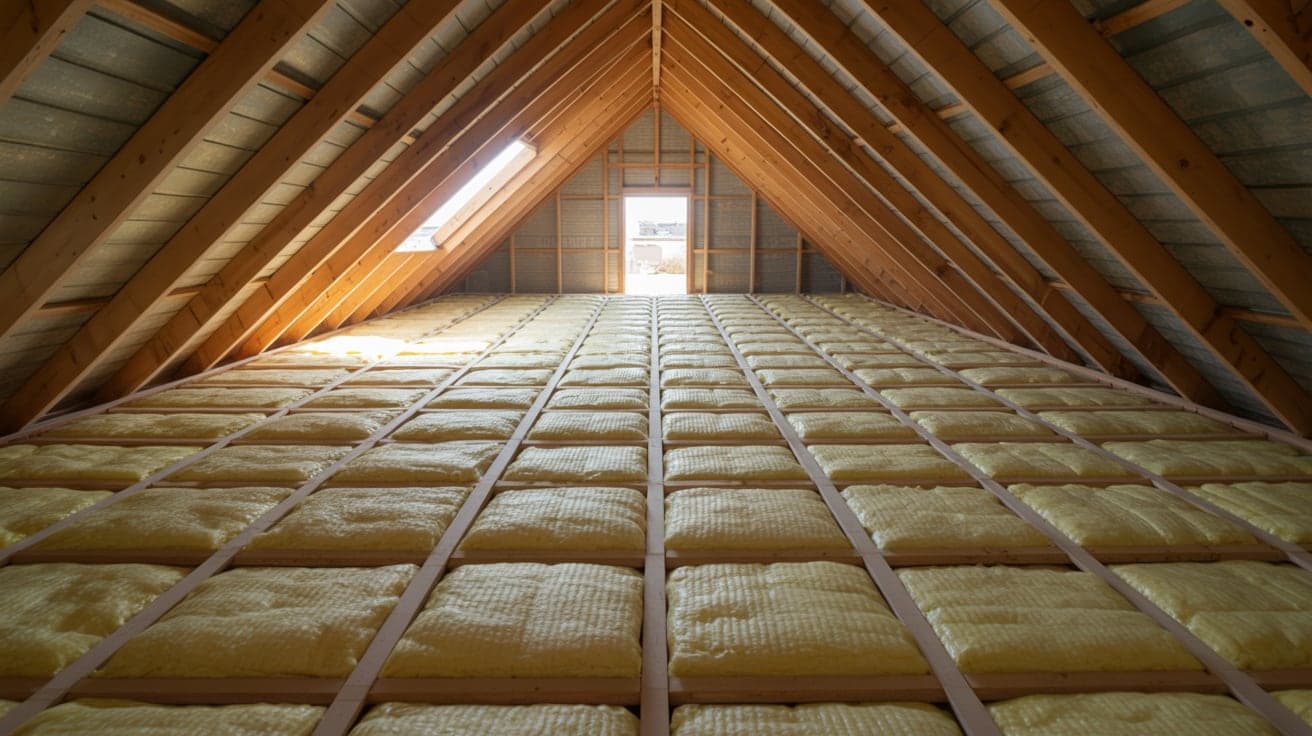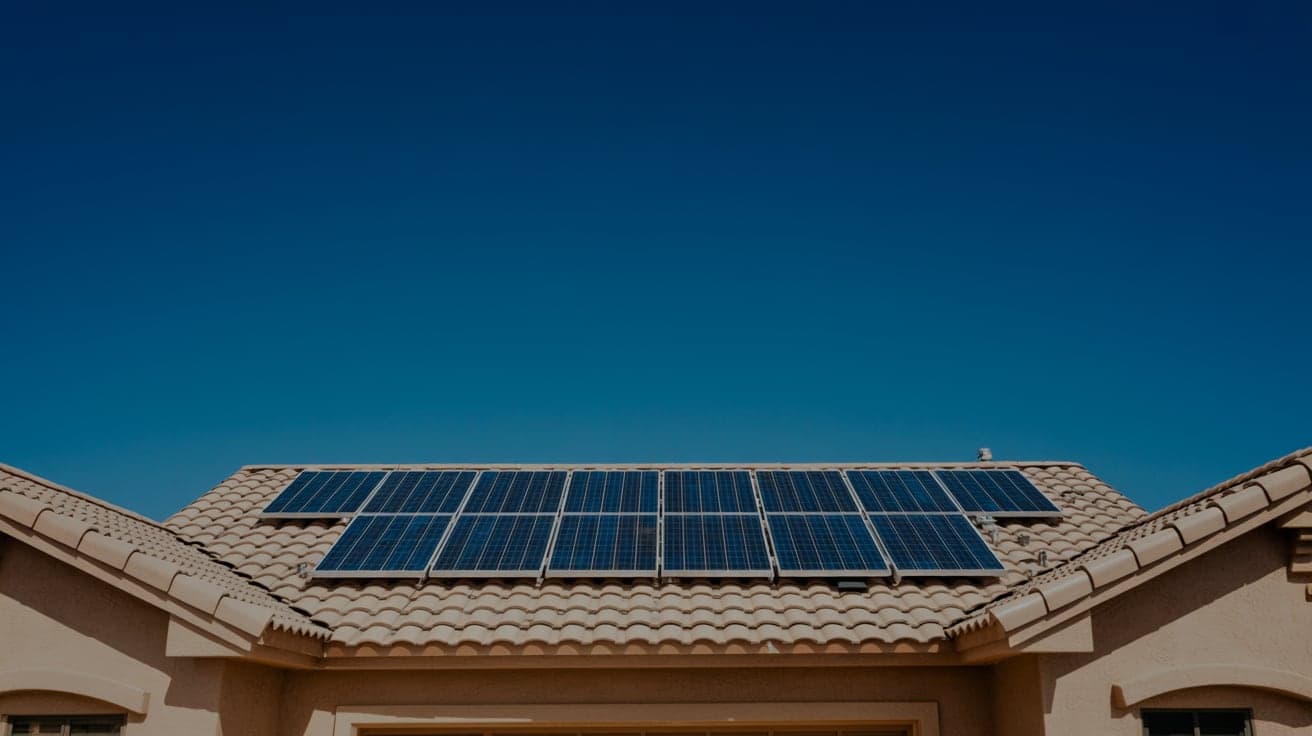
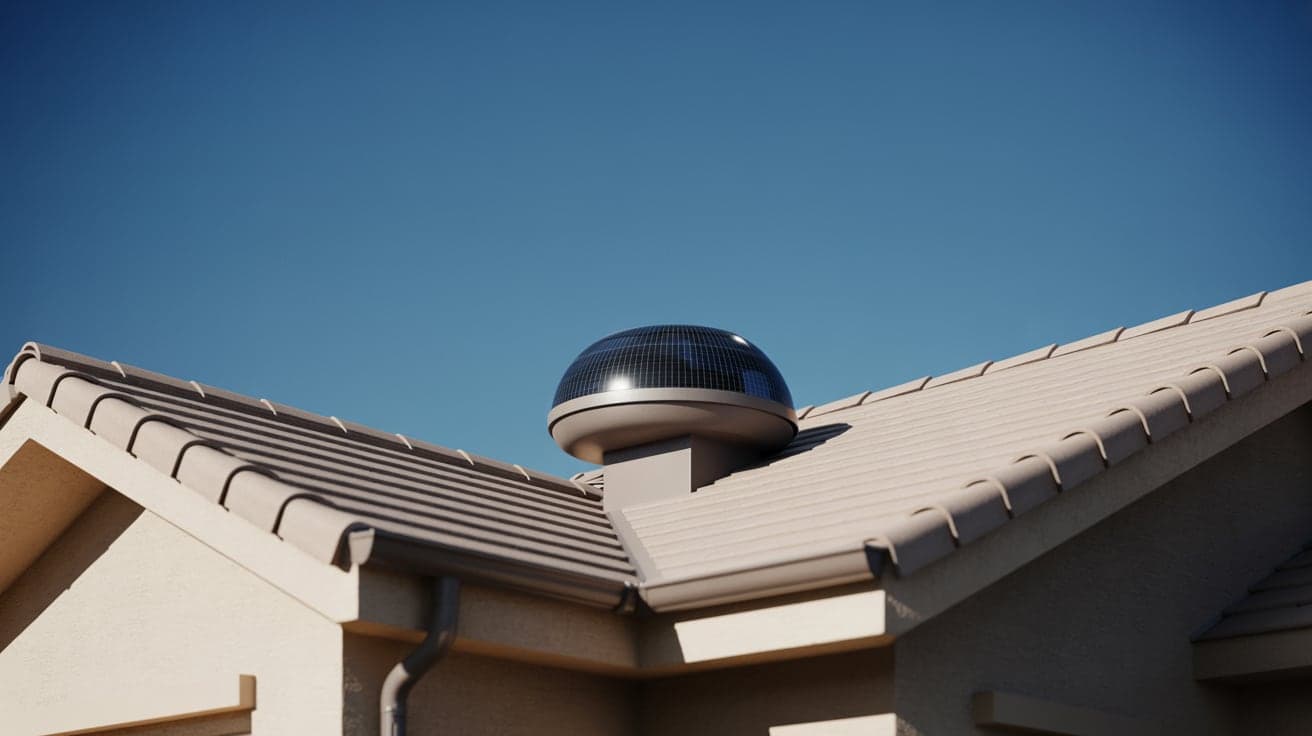
An attic fan lowers cooling costs by pulling superheated air out of the space directly above your ceiling, so less of that heat conducts down into your living space and less of it gets picked up by air conditioning ducts running through the attic. In Arizona that can meaningfully shorten how long your AC runs on a summer afternoon. The catch is that a fan only helps if there is enough low intake ventilation feeding it and the ceiling below is properly air sealed.
Keeping your home comfortable during Arizona's intense heat can be tough, but Eco Roofing Solutions has practical ways to help lower your utility bills. Installing attic fans is one of the best upgrades you can make. Attic fans help prevent extreme heat from getting trapped above your ceiling. When heat builds up in your attic, it can make your air conditioner work harder than it needs to, driving up your energy costs.
How Do Attic Fans Improve Home Ventilation and Airflow?
Attic ventilation keeps air moving, preventing it from sitting and getting hot. Energy-efficient attic fans pull in cooler air from outside and push out the superheated air that can reach over 150 degrees. This steady airflow helps protect your roof and keeps less heat from entering your home, so your air conditioner does not have to run as often or as long.
The physics is simple. A fan mounted high in the attic exhausts air, which creates a slight pressure difference that draws replacement air in through vents low on the assembly, at the soffits and eaves. Air enters cool, travels up along the underside of the deck, and leaves hot. That loop is the whole mechanism, and it depends entirely on both ends being open.
Why Does Lowering Attic Temperature Reduce the Air Conditioning Load?
Having attic fans professionally installed is a smart way to save energy over time and make your whole home more comfortable. Good attic ventilation is important if you want to reduce your carbon footprint and keep your summer energy bills manageable.
There are two separate paths from a hot attic to a high electric bill:
- Conduction through the ceiling. Heat stacked above the drywall works its way down all afternoon and into the evening, which is why upstairs rooms stay warm long after sunset.
- Duct gain. In most Valley homes, the air conditioning ducts run through the attic. Air that left the air handler cold picks up heat before it reaches the register. The U.S. Department of Energy makes this point about radiant barriers, another attic heat-gain measure: they are most effective specifically when cooling ducts are located in the attic, and can reduce cooling costs by 5 to 10 percent in warm, sunny climates.
Reflectivity at the roof surface attacks the same problem from above. ENERGY STAR notes that on a typical summer afternoon, a clean white roof reflecting 80 percent of sunlight stays roughly 50°F cooler than a gray roof reflecting only 20 percent. Ventilation, insulation, and a reflective roof surface are three levers on one problem, and they work best together.
What Types of Attic Fans Are There?
| Type | How it runs | Strengths | Watch for |
|---|---|---|---|
| Solar-powered roof fan | Onboard PV panel | No household power draw; runs hardest when the sun is strongest | Output varies with panel orientation and dust buildup |
| Electric powered roof or gable fan | Household circuit, thermostat or humidistat controlled | Highest and most consistent airflow | Consumes electricity; can depressurize the attic if intake is short |
| Wind turbine vent | Wind-driven, no motor | No power, no controls, very little to break | Bearings seize with desert dust; output depends on wind |
| Ridge and soffit vents | Passive stack effect | No moving parts, no power, no failure mode | Requires continuous, unblocked intake to work |
Passive ridge-and-soffit ventilation belongs on that list because on a well-built roof it often does the job without any fan at all. ENERGY STAR's own guidance leans this direction, advising homeowners to follow air sealing and insulation strategies and make sure the attic is well ventilated using passive vents and natural airflow.
That does not make fans a bad idea. It makes them a targeted tool. Homes with limited ridge length, complex rooflines, gable-heavy designs, or attics that stay hot into the night are exactly where a fan earns its keep.
Why Does Intake Ventilation Decide Whether an Attic Fan Helps or Hurts?
This is the part that gets skipped, and it is the difference between a fan that saves money and one that costs money.
ENERGY STAR is explicit about the failure mode: if your attic has blocked soffit vents and is not well sealed from the rest of the house, attic fans will pull cooled air up out of the house and into the attic. The fan still moves plenty of air, it just takes the path of least resistance, and if the eaves are packed with insulation the easiest air to grab is the conditioned air coming through can lights, duct boots, and ceiling penetrations.
The same guidance names the underlying mistake: the most common error homeowners make when installing insulation is blocking the flow of air at the eaves, and soffit vents should never be covered by insulation. Rafter baffles keep that path open.
The code gives you the target. The International Residential Code requires a minimum net free ventilating area of 1 square foot for every 150 square feet of the space being ventilated, with an exception permitting 1:300 when the system is balanced, meaning 40 to 50 percent of the required area comes from vents in the upper portion of the attic and the rest from eave or cornice vents. Practically, you want at least as much intake area as exhaust area, ideally more.
So before we install a fan on an Arizona home, we check three things:
- Intake. Are the soffit vents present, open, and free of insulation?
- Air sealing. Are the big ceiling leaks, top plates, duct chases, recessed lights, sealed?
- Assembly type. Is this a vented attic at all? Homes with unvented, deck-insulated assemblies, common under spray foam roofs, should not have exhaust fans added to them.
If those three answers are not right, we fix them first. That is part of standard roof repair and maintenance work, and it usually delivers more comfort per dollar than the fan does.
What Are the Long-Term Attic Fan Energy Savings and Comfort Benefits?
Regular maintenance keeps your attic fan working its best, which helps you keep cooling costs down. If you want to make your home more efficient and protect your HVAC system, reach out to Eco Roofing Solutions. We can help you find the right ventilation options for your needs and keep your attic cool all year.
Beyond the utility bill, there is a durability argument that homeowners rarely hear. Sustained heat in a poorly ventilated attic ages the roof from underneath. On tile roofs, that means the underlayment, which is the layer actually keeping water out, gets cooked from below at the same time it is baked from above. Moving that heat out is one of the cheapest ways to protect a residential roof you have already paid for.
Annual service is straightforward:
- Confirm the fan runs and the thermostat or humidistat trips at the right setpoint.
- Clear dust and debris from blades, screens, and solar panels. Blowing dust during monsoon season, which the National Weather Service runs from June 15 through September 30, coats everything on a Valley roof.
- Inspect the housing, curb, and flashing for cracking and sealant failure.
- Re-check that the soffit intake has not been blocked by later insulation work.
Contact Eco Roofing Solutions for Professional Attic Fan Installation
We are a family-owned roofing contractor working across the Phoenix metro from our office at 75 W Baseline Rd Suite 19 in Gilbert, licensed in Arizona under ROC 330901 (CR-42) and a member of the Arizona Roofing Contractors Association. Eric Perry, our Owner and President, is a third-generation roofer with more than 25 years of hands-on experience in this climate.
If your upstairs never quite cools down, let us look at the whole ventilation picture before anyone sells you a fan. Schedule a consultation and we will tell you what your attic actually needs.
Image credit: Rosemarie Mosteller // Shutterstock