The fastest way to cut what your roof costs you in a dry climate is to attack three things at once: how much sunlight the roof surface reflects, how well the attic beneath it breathes, and how much insulation separates that attic from your living space. Fix only one and you will see a small improvement. Fix all three and the difference shows up on the bill and in how long the AC runs in the afternoon.
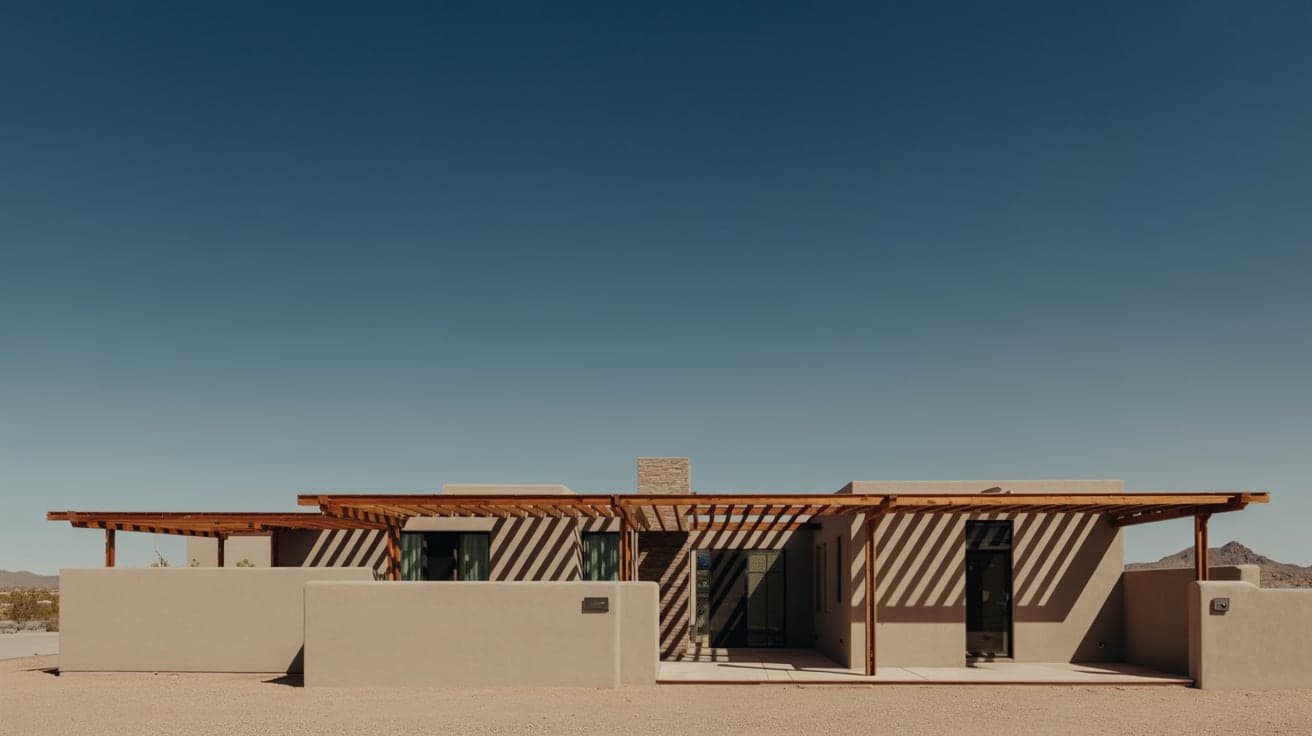
Living in a dry climate has its perks: low humidity, fewer bugs, and lots of sunshine. But that same sunshine can literally send your energy bills through the roof. The Department of Energy notes that conventional roofs can reach 150°F or more on a sunny summer afternoon, and every degree of that heat has to be either reflected away, vented out, or resisted by insulation before it reaches your air conditioner. The good news is you can boost your energy efficiency and stay cool without breaking the bank.
Why does a dry desert climate hit roofs so hard?
Two reasons, and they compound each other.
First is the sheer intensity and duration of the sun. The EPA's heat island program notes cool roof surfaces can stay up to 50 to 60°F below conventional materials during peak summer weather, which is another way of saying that a dark, absorptive roof surface is running very hot for a very long stretch of the year.
Second is the temperature swing. Low humidity means the desert sheds heat quickly after sunset, so roof materials expand hard all day and contract hard all night. That daily cycle is what opens sealant joints and cracks aging underlayment, and a roof with failing seals loses conditioned air along with water resistance.
1. Choose the Right Roofing Material
Some roofing materials handle heat better than others. In dry, hot climates, you want materials that reflect sunlight rather than absorb it. Consider the following:
- Cool roofing: These materials include specially designed shingles, tiles, and coatings that reflect more sunlight and absorb less heat.
- Metal roofing: Lightweight and reflective, metal roofs are an excellent choice for hot areas. Some types even come with reflective coatings for added protection.
- Clay or concrete tiles: These are commonly used in desert climates due to their durability and ability to reflect heat.
Color and finish matter more than most people assume. The Department of Energy reports that white roofing products reflect roughly 60 to 90 percent of sunlight, while cool colored products typically reflect about 30 to 60 percent, which still puts them well ahead of conventionally colored materials of the same shade.
| Approach | Best suited to | Reflectance picture | Practical notes |
|---|---|---|---|
| Cool-rated shingles | Pitched residential roofs | Cool colored, roughly 30 to 60 percent per DOE | Easiest upgrade at normal replacement time |
| Concrete or clay tile | Pitched residential roofs | Varies widely by glaze and color | Air gap under tile adds a thermal break; underlayment is the real clock |
| Metal with reflective coating | Pitched and some low-slope | Can be high, depends on coating | Durable, sheds monsoon debris well |
| Spray foam with elastomeric topcoat | Low-slope residential and commercial | High when the topcoat is maintained | Insulation and reflectance in one system; needs recoating on schedule |
| Single-ply TPO or PVC membrane | Commercial low-slope | Typically high in white | Reflectance drops as the surface soils, so cleaning matters |
Whatever you pick, ask for the Cool Roof Rating Council numbers. The CRRC rates products on solar reflectance and thermal emittance, each on a 0 to 1 scale, and lists both initial and three-year aged values. Reflectance is how much sunlight bounces off; emittance is how readily the surface sheds the heat it did absorb. You want both to be high, and you want to compare the aged numbers, not the brochure numbers.
2. Install a Reflective Roof Coating
If you're not ready for a complete roof replacement, a reflective roof coating might be your best bet. These coatings, applied like paint, help bounce sunlight away from your roof. They also extend the life of your roof by protecting it from UV damage. Look for products labeled with "cool roof coatings" to ensure they're effective.
Two things determine whether a coating is money well spent. The substrate has to be sound, because a coating seals a roof, it does not rebuild one. And the surface has to stay reasonably clean, since dust accumulation is the main reason real-world reflectance falls short of laboratory values. In the Valley, a haboob can noticeably dull a bright roof in an afternoon, which is a good argument for keeping coating maintenance on the calendar rather than treating it as a one-time purchase.
3. Improve Roof Ventilation
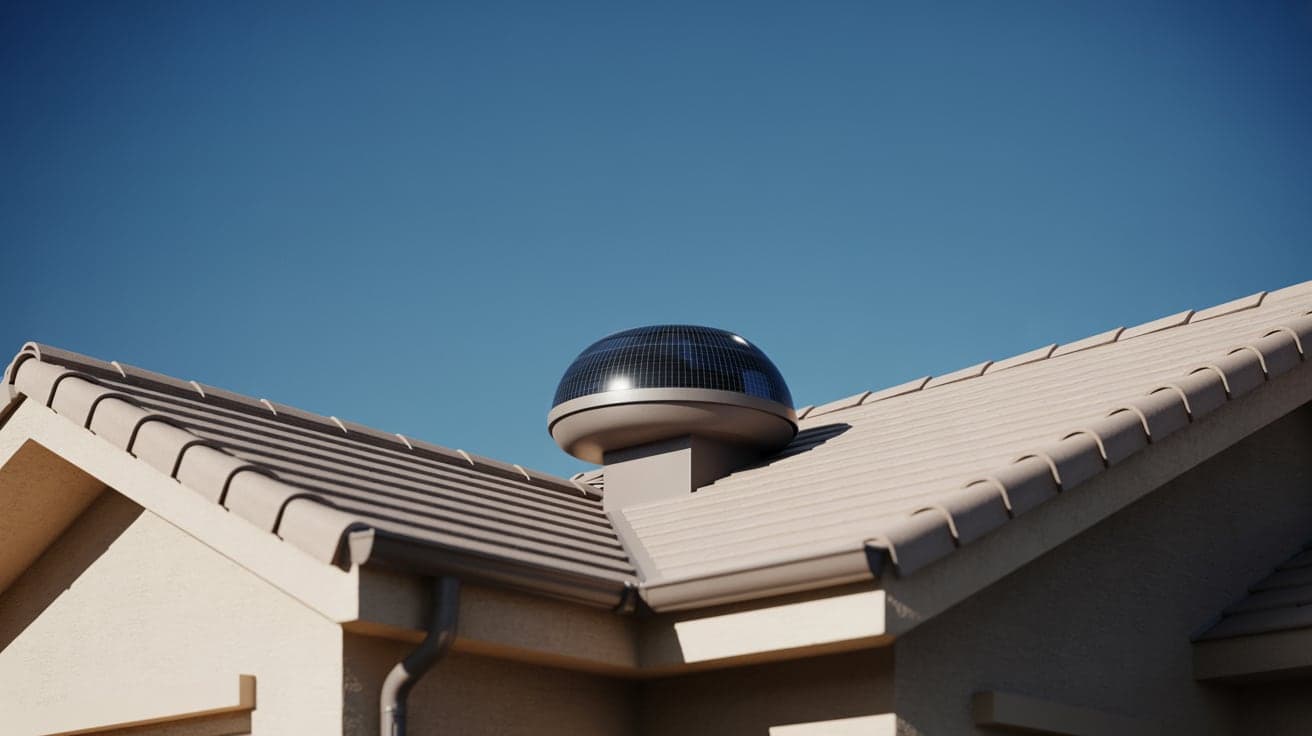
Good ventilation isn't just for keeping your attic from getting stuffy, it also plays a key role in temperature control. Roof vents help move hot air out of your attic, lowering the overall temperature inside your home. A ridge vent paired with soffit vents creates natural airflow in dry climates. This passive ventilation system can significantly reduce cooling costs.
There is a code baseline for this. The International Residential Code requires a minimum net free ventilating area of 1/150 of the vented attic space, and allows that to drop to 1/300 when 40 to 50 percent of the required vent area is located in the upper portion of the attic, within three feet of the ridge, with the balance in the bottom third.
Where ventilation usually goes wrong
- Exhaust without intake. Ridge vents with blocked or painted-over soffit vents cannot pull air. The vents at the top are only as good as the openings at the bottom.
- Insulation blocking the soffits. Blown insulation pushed to the eaves seals off the intake. Baffles solve this.
- Mixing vent types on the same plane. Combining ridge vents with powered or turbine vents on the same attic can short-circuit airflow so that the ridge vent becomes an intake instead of an exhaust.
Getting this right is one of the higher-value, lower-cost items on most Valley homes, and it is something we check on every residential roofing assessment.
4. Add Insulation Under the Roof
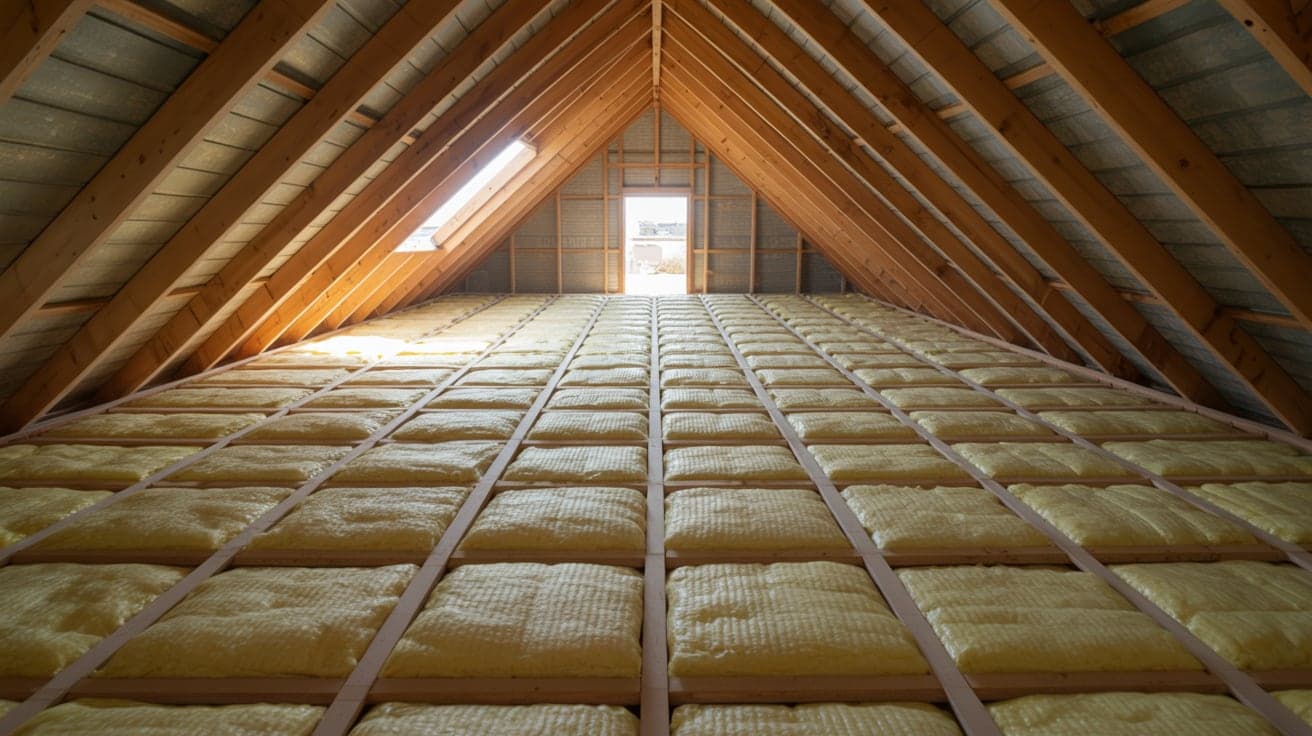
Insulation isn't just for cold climates. In hot, dry areas, insulation under your roof or attic is a barrier to keeping heat out. Spray and rigid foam boards are effective choices that help reduce energy loss and maintain consistent indoor temperatures.
For target levels, use the ENERGY STAR and Department of Energy climate zone guidance. The Phoenix metro sits in zone 2, where the recommendation for an uninsulated attic runs from roughly R-30 to R-60. If you can see the tops of your ceiling joists when you look across the attic, you are almost certainly under-insulated.
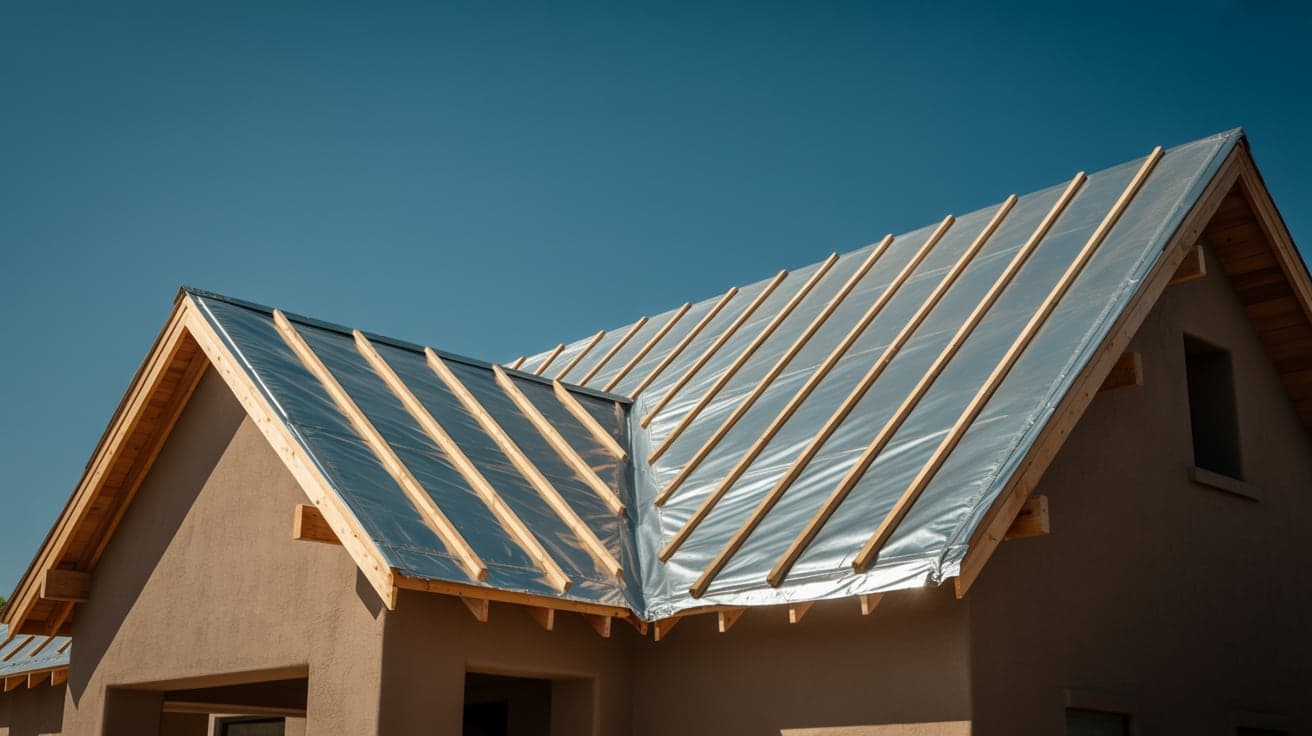
Radiant barriers are worth a look here too. The Department of Energy reports they can reduce cooling costs by 5 to 10 percent in warm, sunny climates, with the strongest benefit in homes where the HVAC ducts run through the attic. That describes a very large share of houses in Gilbert, Tempe, and the rest of the East Valley.
5. Keep Up With Maintenance
Your roof's quality depends on how often you have it maintained by a professional roofer. Have them check the following:
- Cracked or missing shingles or tiles
- Signs of water damage or warping
- Blocked or broken vents
Add three more items that are specific to efficiency rather than leaks: soffit intake that has been blocked by insulation, insulation that has been flattened or displaced by anyone who has worked in the attic, and coating or topcoat wear on foam and low-slope roofs. The National Roofing Contractors Association recommends inspecting roof systems at least twice a year and after major weather events, which in Arizona lines up cleanly with a pre-monsoon check in late spring and a post-monsoon check in the fall.
What changes for a commercial building?
The physics are the same, but the levers differ. Low-slope commercial roofs are mostly about membrane reflectance, insulation above the deck, and drainage. Ponding water is the enemy of both efficiency and service life, and dust accumulation on a white membrane quietly erodes the reflectance the building was designed around. If you manage a building in the Valley, put membrane cleaning and drain clearing on the same schedule as your seam inspections. Our commercial roofing team builds those around the monsoon calendar rather than the fiscal one.
Choosing the right materials, enhancing ventilation, and maintaining your roof can significantly improve your home's energy efficiency in a dry climate. You will stay cooler and also save money on your utility bills. To get started on enhancing your roof's energy efficiency, contact our specialists at Eco Roofing Solutions, LLC, or call (480) 695-7736, Monday through Saturday, 8AM to 5PM.