Roof and attic insulation is the single biggest lever most Arizona homeowners have over their summer cooling bill, because it controls the heat coming through the largest sun-exposed surface on the house. Done right, it slows heat transfer into the living space, lets the air conditioner cycle off instead of running flat out, and evens out the temperature differences between rooms. Done poorly, or left at the level a builder installed thirty years ago, it quietly costs you money every single afternoon from May through October.
When summer temperatures soar, your roof becomes the first line of defense against the heat. But without proper insulation, it can also be the biggest source of energy loss in your home (even flat roofs need insulation.)
At Eco Roofing Solutions, we believe that smart, efficient roofing starts from the inside out. In this post, we'll explore how roof insulation helps keep your home cooler, supports energy efficiency, and improves overall comfort, especially in hot climates.
Why Roof Insulation Matters in Hot Climates
Roof insulation helps regulate the temperature inside your home, which is crucial during hot Arizona summers. While you may not see it working, your roof insulation helps to keep your electric bill lower by preventing heat transfer and supporting HVAC efficiency.
The scale of the problem is what makes this so important here. The EPA reports that conventional roofs in the United States can reach summer peak surface temperatures of 150 to 185 degrees Fahrenheit. That heat radiates down into the attic all afternoon, and the only thing standing between it and your ceiling drywall is whatever insulation is up there.
The Phoenix metro is classified as climate zone 2B, the hot-dry zone under the International Energy Conservation Code and ASHRAE. That classification exists precisely because buildings here have a different job than buildings almost anywhere else: keeping heat out, not in, for most of the year.
How much insulation should an Arizona attic have?
The Department of Energy's insulation guidance places attics in our climate zone in the R-30 to R-60 range. R-value measures resistance to heat flow, so a higher number means the assembly slows heat transfer more effectively.
Two things routinely put real houses below that range:
- Age. Homes built before current energy codes often started at levels that would not pass today, and nothing about a roof replacement automatically upgrades what is underneath.
- Disturbance. Blown insulation settles and compresses over the years. HVAC work, electrical runs, recessed lighting retrofits, solar conduit, rodent activity, and old leaks all leave bare patches. A single uninsulated strip along a hallway ceiling undoes a lot of good coverage elsewhere.
Depth is a rough field check but not a definitive one, since different materials deliver different R-value per inch. What matters more than any single number is whether the coverage is complete and even, all the way out to the eaves.
How Roof Insulation Keeps Your Home Cooler
Reduces Heat Transfer
Without insulation, your roof absorbs heat from the sun and transfers it directly into your living space. Quality insulation acts as a thermal barrier, reducing this transfer and keeping interior temperatures more stable. Which is particularly helpful when the temperatures begin to rise, and keeping your home cool becomes even more important.
There are three separate ways heat moves into a house, and they need different solutions. Conduction through the ceiling assembly is what mass insulation slows. Radiation from a hot roof deck down to the attic floor is what a radiant barrier interrupts. Convection, hot air moving into or out of the attic and through gaps in the ceiling plane, is handled by air sealing and by properly balanced ventilation. A roof and attic that only address one of the three will underperform.
Supports HVAC Efficiency
When your attic or roof is well-insulated, your air conditioning system doesn't have to work as hard to maintain a comfortable temperature. This reduces wear on your HVAC system and helps lower utility costs over time.
Protects Your Ductwork
This is the one people miss. In a huge share of Valley homes, the air conditioning ducts run through the attic. That means chilled air is traveling through the hottest space in the building. Every degree the attic runs hotter, the harder those ducts have to fight to deliver cool air at the register. Improving attic conditions does not just reduce heat gain through the ceiling; it makes the entire distribution system more effective.
Types of Insulation for Your Roof
Radiant Barriers
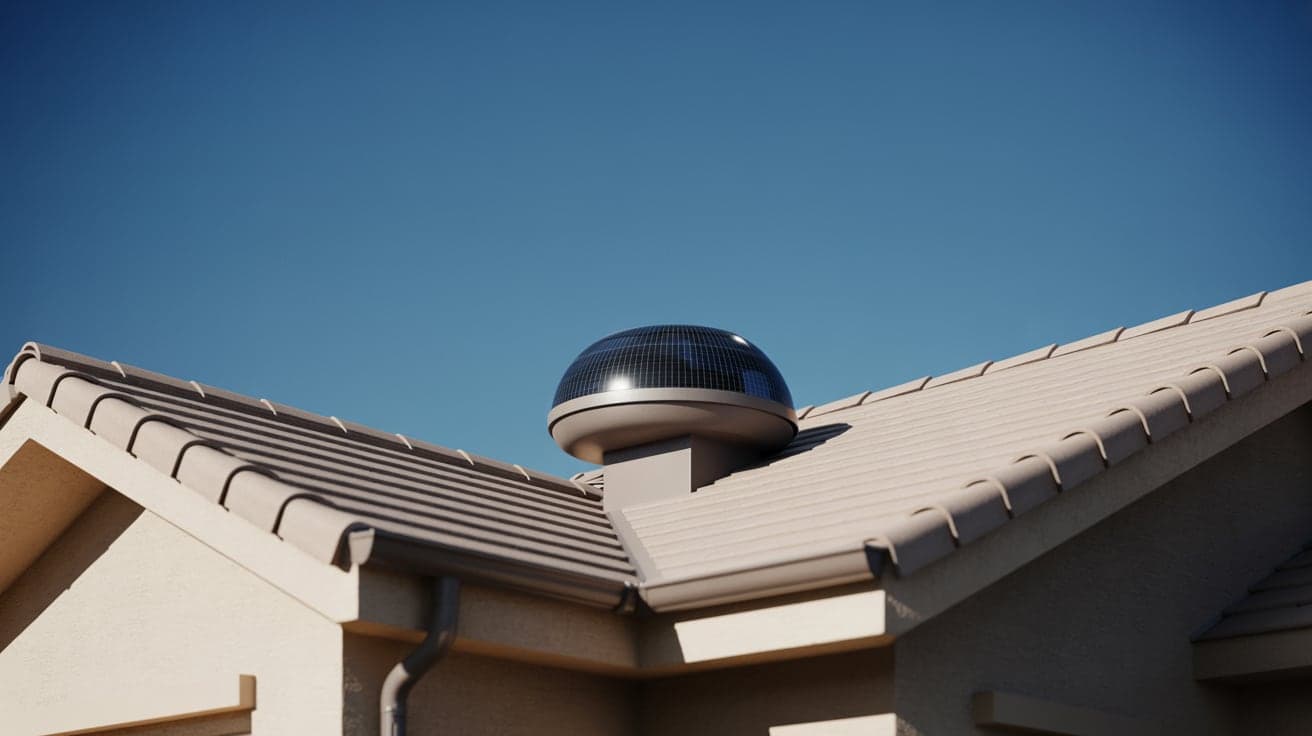
Ideal for hot climates, radiant barriers reflect rather than absorb heat. Installed in the attic, they can significantly reduce cooling costs when used alongside other insulation types. The Department of Energy notes that studies show radiant barriers can reduce cooling costs by 5 to 10 percent in a warm, sunny climate, and that they are most effective when cooling ducts are located in the attic. Note that they complement mass insulation rather than replace it, and they need an adjacent air space to work.
Spray Foam and Batt Insulation
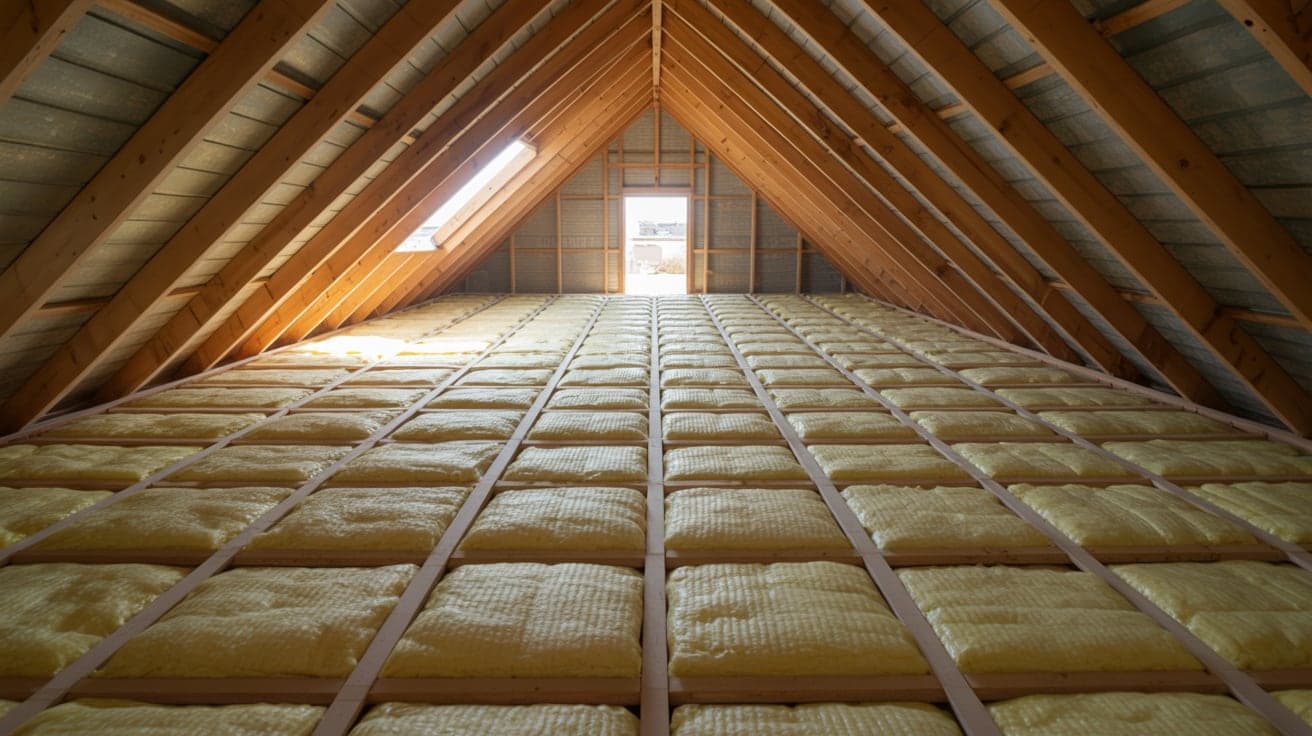
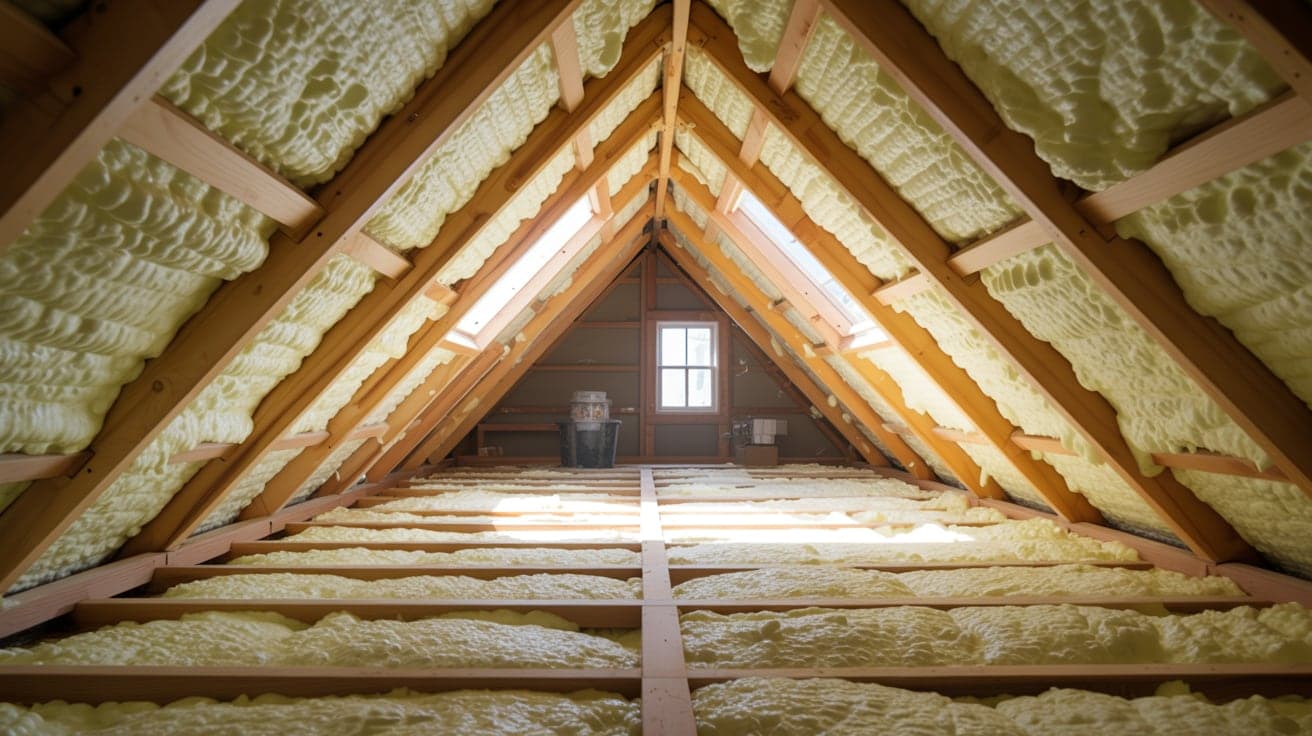
Both spray foam and fiberglass batt insulation are popular for their effectiveness in sealing gaps and maintaining consistent temperatures throughout the home. Closed-cell spray polyurethane foam delivers roughly R-6.5 per inch and air-seals as it is applied, which is why it is also used as a roofing system in its own right on low-slope decks. Batts are the most affordable option but depend entirely on installation quality: compressed, gapped, or cut-short batts lose a large fraction of their rated performance.
Blown-In Loose Fill
Blown fiberglass or cellulose is the most common way to top up an existing attic, because it flows around framing, wiring, and odd geometry that batts cannot follow. It settles over time, so installers account for that with a target settled depth.
| Approach | What it does best | Watch for |
|---|---|---|
| Blown-in loose fill | Even coverage over an existing attic floor, fills irregular cavities | Settling over time; can block soffit vents if installed carelessly |
| Fiberglass batts | Budget-friendly, straightforward in open framing | Performance falls off fast with gaps, compression, or poor fit |
| Closed-cell spray foam | Air sealing and high R-value per inch, roughly R-6.5 | Changes how the attic is ventilated; needs an experienced installer |
| Radiant barrier | Blocks radiant heat from a hot deck, strongest benefit in hot sunny climates | Needs an air space; supplements rather than replaces insulation |
Why insulation alone isn't the whole answer
An attic needs to breathe. Insulation slows heat into the house, but ventilation removes heat and moisture from the attic itself, and the two have to be designed together.
The International Residential Code sets the baseline at 1 square foot of net free ventilating area for every 150 square feet of vented attic space. A 1:300 ratio is allowed when at least 40 percent and no more than 50 percent of the required ventilating area is located in the upper portion of the attic, no more than 3 feet below the ridge, with the balance provided by eave or cornice vents.
The practical takeaway is about balance. A ridge vent with blocked soffit intakes cannot pull air through the attic; it just sits there. One of the most common problems we find is new insulation blown right over the eaves, sealing off the intake vents that made the ventilation system work. Baffles at the eaves prevent that, and they cost very little at installation time.
How do you know your insulation is underperforming?
- Rooms that never catch up on hot afternoons, especially on the west and south sides of the house
- An air conditioner that runs nearly continuously from mid-afternoon into the evening
- Noticeable temperature differences between floors, wings, or rooms served by the same system
- Ceiling surfaces that feel warm to the touch late in the day
- Insulation visibly below the tops of the ceiling joists, or with visible bare patches
- Any past roof leak, rodent intrusion, or attic remodel work that was never followed up on
If you have a roof leak, that has to be handled first. Wet insulation loses most of its thermal value and holds moisture against the deck and framing. A roof repair and maintenance inspection identifies whether the roof itself is the problem before anyone talks about insulation upgrades.
Does the roof surface matter too?
Yes, and the two work together. Insulation manages heat that reaches the ceiling assembly. A reflective roof surface reduces how much heat arrives in the first place. The Cool Roof Rating Council rates roofing products on solar reflectance and thermal emittance, both on a 0 to 1 scale, and publishes values aged three years outdoors as well as initial values. Aged numbers are the ones to compare in a climate where monsoon dust settles on everything.
Pairing a cool-rated surface with adequate insulation and balanced ventilation is the full package. Our residential roofing crews evaluate all three together, whether the house is a tile roof in Gilbert, a shingle roof in Mesa, or a low-slope mid-century home in Tempe.
Trust Eco Roofing Solutions for Smarter, Cooler Roofing
At Eco Roofing Solutions, we don't just install roofs, we build systems designed to protect and perform. Our team can assess your current insulation and recommend upgrades that enhance both comfort and efficiency. We are a family-owned contractor based in Gilbert, licensed under Arizona ROC 330901 (CR-42) and a member of the Arizona Roofing Contractors Association. Contact us today to learn how better insulation can make a noticeable difference in your home's cooling performance and energy savings.