Dust storms damage roofs in three ways: the wind that carries them lifts and loosens roofing materials, the airborne grit abrades surfaces and strips protective granules and coatings, and the silt left behind packs into gutters, valleys, and roof drains where it blocks water. None of that is dramatic on the day it happens, which is exactly the problem. The bill usually arrives later, as a leak traced back to years of small, ignored wear.
Dust storms may be brief, but their impact on your roof can be lasting. At Eco Roofing Solutions, we help homeowners understand the hidden effects of dust storms and offer expert advice on how to protect your investment. Learn how dust, debris, and abrasion affect your roof, and how to protect it from costly damage.
What exactly is a haboob, and when do they hit?
Haboobs, or dust storms, are a common occurrence in Arizona, particularly from mid-June through September. While they may seem like just a temporary inconvenience, they can cause long-term damage to your roofing system.
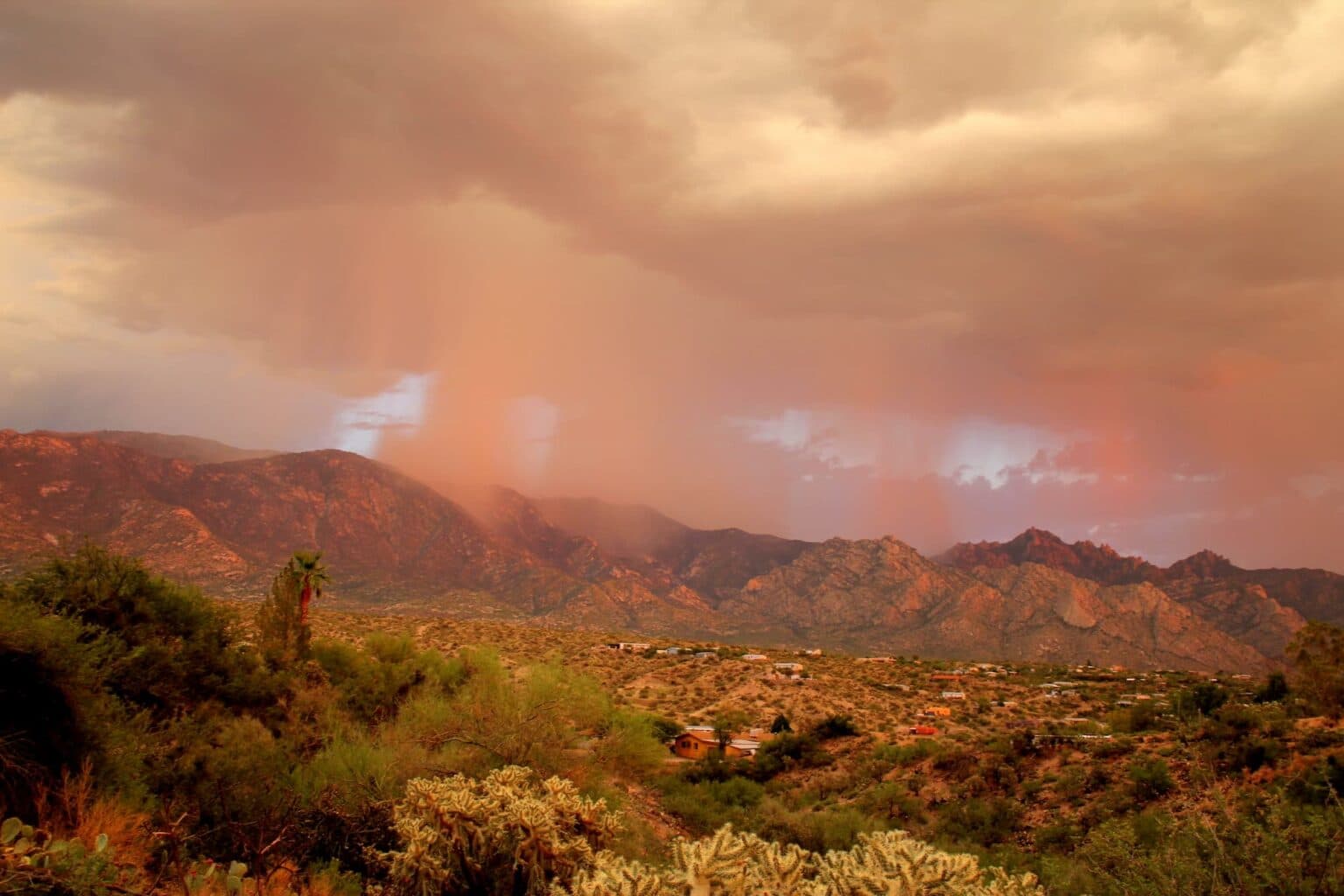
A haboob forms when the downdraft from a collapsing thunderstorm hits the desert floor and spreads outward, picking up loose sand and soil into a dense advancing wall of dust ahead of the storm. That timing lines up with the monsoon, which the National Weather Service defines as June 15 through September 30.
The scale of the material moved is easy to underestimate. The Arizona Department of Environmental Quality has estimated that the large July 2011 Phoenix haboob put more than 100,000 tons of PM10 particulate into the Valley's air in a single day, against a typical figure for Maricopa County of roughly 48,000 tons across an entire year. Some fraction of that lands on rooftops.
The impact of dust storms on your roof
Increased wear and tear
With the high winds of a dust storm, abrasive particles like trash and dust can damage or wear down roofing materials over time. This exposure can strip away protective coatings, weaken shingles or tiles, and reduce your roof's overall lifespan.
Clogged gutters and drainage issues
Dust, leaves, and debris often accumulate in gutters and downspouts during a storm. When left uncleaned, these clogs can cause water to back up and lead to roof leaks or water damage. Desert dust behaves differently from leaf litter here. Once it gets wet in the rain that usually follows a haboob, it settles into a dense silt that sets in the bottom of a gutter and does not flush out on its own.
Wind displacement
The wind driving the dust is a separate hazard from the dust itself. Monsoon microbursts are small, short-lived downdrafts, and NOAA notes their maximum winds sometimes exceed 100 mph. That is enough to lift shingle tabs that have lost their seal, slide or crack concrete tiles, peel back a loose membrane edge, and turn an unsecured piece of rooftop equipment into a projectile.
What does blowing dust do to each roofing material?
| Roof type | How dust and wind hurt it | What to look for afterward |
|---|---|---|
| Asphalt shingle | Abrasion accelerates granule loss, and gusts break the sealant bond on tabs | Bare dark patches, granules in gutters, curled or lifted tabs |
| Concrete or clay tile | Tiles slide or crack; grit collects in the pans and channels beneath | Misaligned or missing tiles, cracked ridge mortar, debris damming water |
| Spray polyurethane foam | The topcoat is the sacrificial layer and wears under repeated grit blasting | Thin, chalky, or exposed foam; pinholes; ponding areas |
| Single-ply membrane (TPO, PVC, EPDM) | Soiling drops reflectance; wind works at seams, edges, and flashings | Loose edge metal, lifted seams, dirt streaks, blocked drains |
| Reflective coatings | Dust film reduces solar reflectance measurably | A dull, dust-gray surface where the coating used to be bright |
That last row is not a marketing point. The Cool Roof Rating Council rates roof products for solar reflectance and thermal emittance both when new and after three years of natural weathering, with exposure conducted at approved test farms including one in Arizona representing the hot and dry climate. Soiling is one of the recognized reasons aged values come in lower than initial ones. On a reflective commercial roof in the Valley, keeping the surface clean is part of keeping the energy performance you paid for.
How to minimize roof damage from dust storms
Schedule regular roof inspections
Have your roof professionally inspected at least once a year, especially after dust storm season. Early detection of minor damage can prevent major repairs later. Late September or October is the natural time for it, once the monsoon has finished and before winter rain arrives.
Keep gutters clean
Clean gutters regularly to prevent buildup and ensure proper drainage. Installing gutter guards can also reduce the frequency of cleanings. On flat and low-slope sections, the equivalent task is clearing scuppers, drain baskets, and overflow outlets, which silt in faster than most owners expect.
Consider protective coatings
Applying a reflective or sealant coating can help protect your roof from abrasion and UV damage while enhancing durability. On a foam roof, the topcoat is not optional maintenance, it is the system's wear layer, and recoating on schedule is what keeps the foam underneath intact.
Trim back and tie down
Overhanging branches become abrasion tools and impact hazards in a 60 mph gust. Trim limbs clear of the roof plane, and make sure rooftop equipment, satellite mounts, solar racking, and loose flashing are properly fastened before June.
Fix small openings before the season
Dust is a diagnostic tool. If you find silt in the attic after a storm, wind-driven dust found a path in, and that same path will carry water. Cracked mortar, failed pipe boot collars, gapped flashing, and displaced tiles are the usual culprits.
What should you check after a storm passes?
Stay off a wet or damaged roof. Most of this list can be done from the ground with binoculars, or from inside the house.
- Granules collecting at downspout outlets, which signal shingle wear
- Tiles that look out of line, tipped, or missing along ridges and hips
- Debris piled in valleys, behind chimneys, or against parapet walls
- Standing water on a flat section more than a day or two after rain
- Dust or water staining on interior ceilings, especially near vents and skylights
- Bent or detached edge metal, fascia, or gutter hangers
Anything on that list is a repair, not an emergency, as long as it gets handled. Left alone through a second and third season, the same items are how a roof ends up needing replacement early. Our residential repair and maintenance crews spend a large part of every fall on exactly this work across Gilbert, Mesa, Chandler, and the rest of the East Valley.
What is different about commercial roofs in a dust storm?
Low-slope commercial roofs collect what a pitched roof sheds. Dust that would wash off a tile roof stays on a flat membrane, migrates toward drains, and settles in low spots. Three items deserve specific attention on a commercial building:
- Drainage. Silt at a drain basket or scupper turns a designed low spot into ponding water, which adds load and shortens membrane life.
- HVAC and rooftop equipment. Curbs, condensate lines, and equipment flashings are the most common leak sources on a commercial roof, and wind and grit work at them constantly.
- Reflectance. As noted above, a soiled reflective membrane does not perform the way its initial rating suggests. Cleaning is a legitimate line item in a maintenance plan.
Facility managers can find our approach on the commercial roofing and commercial repair and maintenance pages.
Trust Eco Roofing Solutions for storm-ready roofing
Dust storms are inevitable, but serious roof damage doesn't have to be. Eco Roofing Solutions offers expert maintenance and protection services to keep your roof strong, clean, and ready for anything nature throws its way.
We are a family-owned Arizona roofing contractor, licensed under ROC 330901 (CR-42) and a member of the Arizona Roofing Contractors Association, working residential and commercial roofs across the Phoenix metro. If your roof has been through a few monsoon seasons without a look, contact us for a roof evaluation and we will tell you plainly what needs attention and what does not.