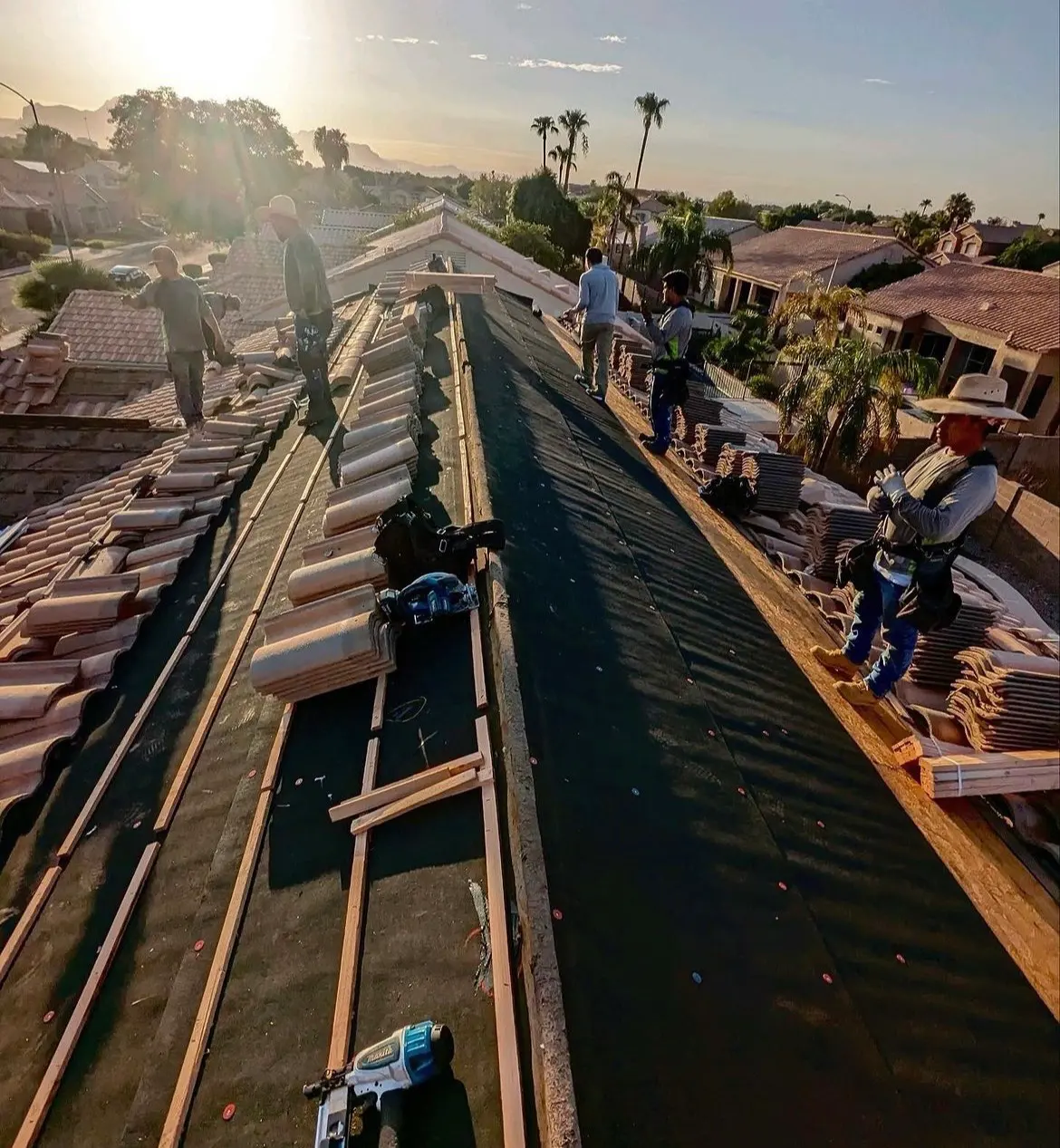
Get a separate roof inspection from a licensed roofing contractor before you close, not just the general home inspection. A roofer will lift tile, examine flashing and penetrations up close, and go into the attic, which is where the expensive problems actually live. On an Arizona home, the roof is the single component most likely to hand a new owner a five-figure surprise in the first two years.
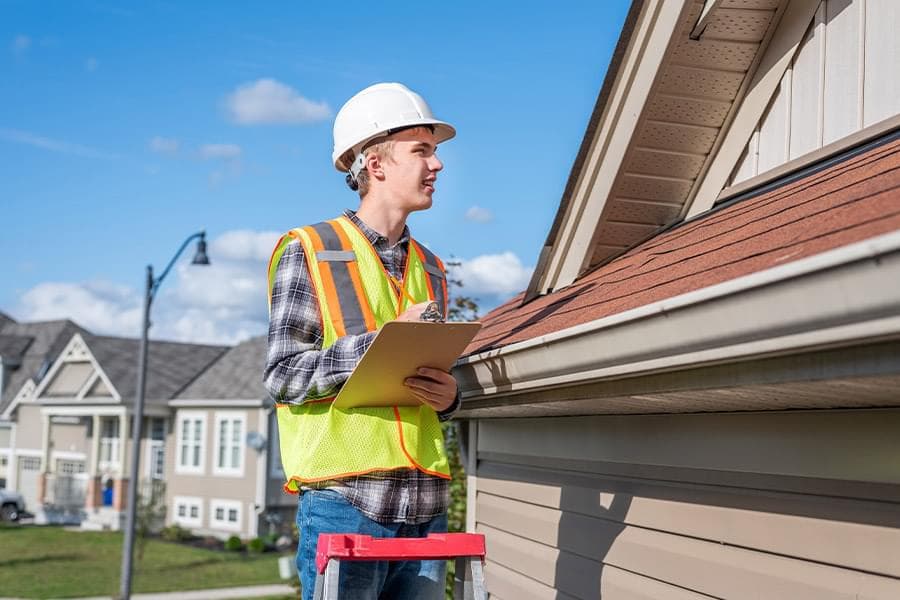
Buying a home is an exciting time. While getting the house inspected prior to the purchase may sound like a no-brainer, most future homeowners tend to overlook the importance of getting their roof inspected by a licensed roof inspector. After all, a roof is one of the most critical parts of any home, as it protects everything inside from the ever-changing weather conditions.
If you're in the process of buying a new home or are planning on house hunting soon, here are three reasons why you should get a roof inspection service before closing the deal.
Why Isn't the General Home Inspection Enough?
This is not a knock on home inspectors. They cover an enormous amount of ground in a few hours, and the good ones are worth every dollar. The issue is scope.
Under the InterNACHI Standards of Practice, the inspector is not required to walk on any roof surface, and specifically is not required to walk on areas that appear unsafe or where walking might cause damage. Both exceptions describe a typical Arizona tile roof, which is easy to crack under a misplaced foot. Many roofs therefore get evaluated from a ladder at the eaves or from the ground.
That vantage point can tell you the tile is intact. It cannot tell you the underlayment beneath it is brittle, or that a previous repair used the wrong flashing, or that the last solar installer put fasteners through the field of the roof and sealed them with caulk.
Avoid Unpleasant Surprises
Hiring a home inspector to inspect all aspects of a home at once may seem like a good idea. However, they can often overlook hidden issues in a roofing system. Since home inspectors aren't trained roofing experts, they can't lift tiles to inspect a roof's condition thoroughly. For this reason, hiring a certified roofing company to perform a complete roof inspection is vital before making a significant investment.
The surprises we find most often on Valley homes fall into a short list:
- Aged or damaged underlayment under intact tile. The tile looks perfect. The waterproofing under it is done.
- Improvised repairs. Roofing cement smeared over a flashing detail that needed metal. It holds until it doesn't.
- Penetration problems. Cracked plumbing vent boots, unsealed satellite mounts, and solar racking fasteners in the wrong place.
- Ponding on low-slope sections. Many Valley homes have a flat porch or addition roof, and that section usually fails first.
- Foam roofs with a worn topcoat. Exposed foam degrades quickly under UV, and the fix gets more expensive the longer it waits.
Prevent Future Costly Repairs
In addition to making sure a roof is currently in good condition, you'll want to make sure you don't have to spend thousands of dollars on future repairs. Save money in the long run by uncovering whether minor repairs are needed now, before the roof requires a full reroof, which is one of the largest single expenses a homeowner faces, or worse, before water causes further damage to the home.
The timing math is what makes this worth doing. A cracked pipe boot is a small repair on the day you find it. The same boot, left through one monsoon season, can mean drywall, insulation, and possibly framing. Our residential roof repair and maintenance team sees both versions of that job constantly, and the difference between them is usually a single inspection.
Negotiate a Better Sales Price
Finally, if a professional roof inspector finds any issues in the roofing system, it can help you bring the home's sales price down. This can be especially beneficial if you really like the home and only minor repairs are needed.
What makes this work is documentation. "The roof looks old" is not leverage. A written report with dated photos, a description of each condition, and a defined repair scope is leverage, because it converts a vague worry into a number both sides can discuss. Your agent can work with that.
What Should a Roof Inspection Cover on an Arizona Home?
Ask the contractor to look at all of the following and put it in writing:
The covering itself
Broken, slipped, or previously repaired tile. Shingle condition, granule loss, and lifted tabs. Foam coating thickness and any exposed foam. Membrane seams and terminations on flat sections.
The layer underneath
Underlayment condition where it can be seen, valley metal, and any evidence the roof has been reroofed over an older system.
Flashing and penetrations
Chimney and skylight flashing, wall and headwall flashing, plumbing vent boots, HVAC curbs, and any solar or antenna mounting.
Drainage
Gutters, scuppers, drains, and whether water actually leaves the roof. Ponding marks tell you a lot even on a dry day.
The attic
Staining on the sheathing, daylight where there shouldn't be any, insulation depth, and whether the ventilation is working. The Department of Energy places Phoenix metro in climate zone 2 and recommends attic insulation in the R-30 to R-60 range, which is a useful benchmark while you are up there.
How Long Should the Roof on This House Last?
Roof age is the first question every buyer asks and the hardest one to answer from the curb. The National Roofing Contractors Association notes that most new roofs are designed for roughly 20 years of useful service, with some systems lasting considerably longer, and that actual service life depends on local climate, design, material quality, installation, and maintenance. In the low desert, UV and daily thermal cycling push most materials toward the shorter end of their published ranges.
| Roof system | Typical service life range | What to watch for in Arizona |
|---|---|---|
| Concrete or clay tile | 50+ years for the tile | The underlayment beneath usually needs replacement well before the tile does |
| 3-tab asphalt shingle | Roughly 15 to 20 years | Granule loss, brittleness, wind-lifted tabs |
| Architectural shingle | Roughly 25 to 30 years | Same failures, later; check ridge and hip caps |
| Spray polyurethane foam | 20+ years with recoating | Topcoat wear, exposed foam, blisters, ponding |
| TPO, PVC, or EPDM membrane | Roughly 20 to 30 years | Seam integrity, flashing at curbs, drain condition |
Use the table to frame questions, not to draw conclusions. A 12-year-old shingle roof that was installed badly can be in worse shape than a 25-year-old one that was installed well and maintained.
What If the Home Is Brand New?
New construction still deserves a look. Defects on new roofs are usually workmanship issues rather than wear: flashing details done fast, fasteners in the wrong place, ventilation blocked by insulation.
There is also a clock running. The Arizona Registrar of Contractors applies its workmanship standards for two years, measured from the earliest of close of escrow, actual occupancy for new construction, or completion of the project. Finding a defect in month three is a very different conversation than finding it in year four. Confirm current details directly with the ROC, since the specifics can change.
Get a Roof Inspection Service in Mesa, AZ
At Eco Roofing Solutions, LLC, we've provided roof inspection services in Mesa and the surrounding Phoenix metro for years. We are family-owned, hold active Arizona ROC license 330901 (CR-42), and are members of the Arizona Roofing Contractors Association for both residential and commercial work. Eric Perry, our Owner and President, is a third-generation roofer with more than 25 years of hands-on experience on desert roofs, and homeowners have rated us 4.8 stars across 385.
If you are under contract and the clock is running, contact us and we will get out there. We can also talk through what a repair or a full residential roofing replacement would involve on that specific house, so you go into the negotiation knowing what you are dealing with. Our office at 75 W Baseline Rd Suite 19 in Gilbert is open Monday through Saturday, 8AM to 5PM, at (480) 695-7736.