If you want a roof that costs less to cool and sends less material to the landfill, three moves do most of the work in the Arizona desert: choose shingles with a verified cool-roof rating, add a reflective thermal break like Low-E ThermaSheet under the roof covering, and restore an existing roof instead of tearing it off whenever the deck and structure allow. All three reduce the heat entering your attic, and two of them keep tons of material out of the waste stream.
Whether you're passionate about reducing your carbon footprint or you'd like to lower your electric bill, an eco-friendly roof is the best way to go. The great thing about eco-friendly roofing is that there are several ways to go about it and still get amazing results for your pocket and the environment. Here are three ways you can get started.
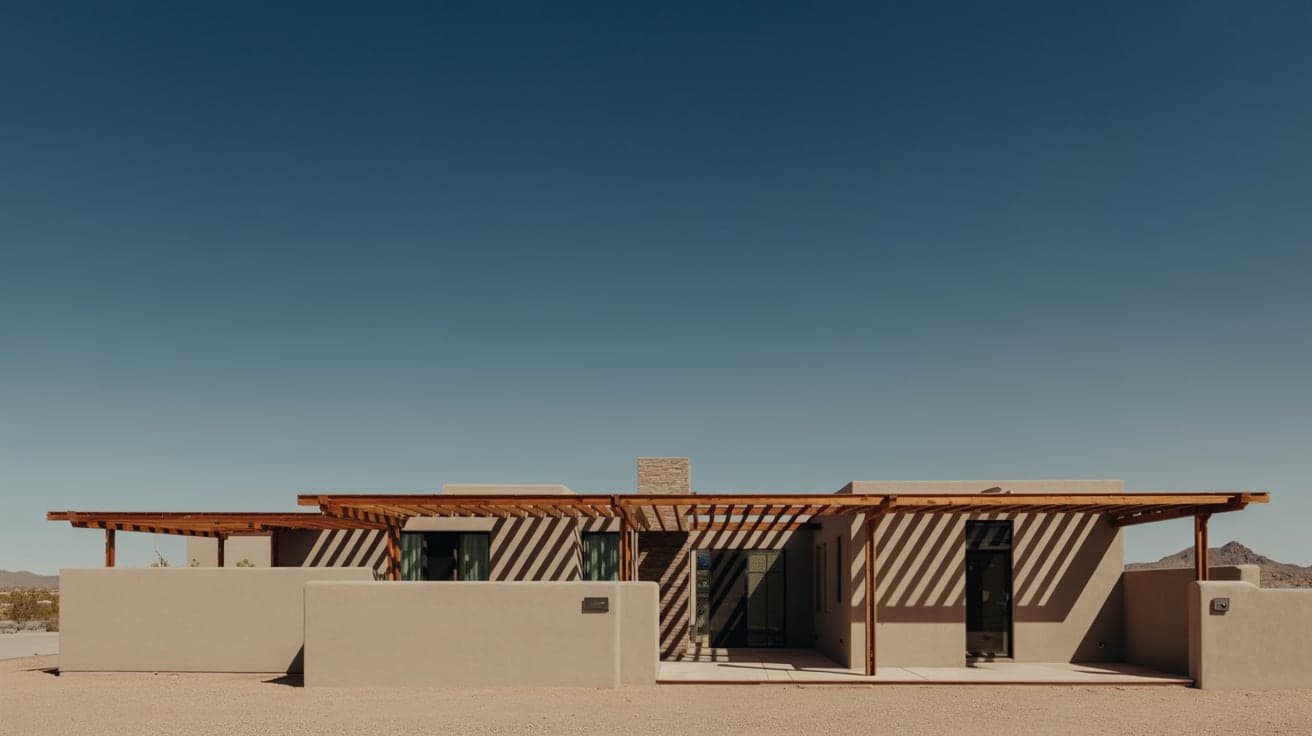
What Makes a Roof "Eco-Friendly" in the Arizona Desert?
In a cold climate, a green roof is mostly an insulation question. In the low desert it is a heat rejection question first.
The Cool Roof Rating Council measures two properties for roofing products:
- Solar reflectance is the fraction of sunlight the surface bounces back, on a scale of 0 to 1.
- Thermal emittance is how effectively the material sheds the heat it does absorb, also on a 0 to 1 scale.
Those two numbers feed into the Solar Reflectance Index, calculated per ASTM E1980. The CRRC tests products both when new and after three years of outdoor exposure, and publishes both sets of values in its Rated Roof Products Directory. The aged number is the honest one, especially here, where dust and UV work on a roof surface constantly.
The payoff is measurable. The EPA reports that roofs with high solar reflectance and high thermal emittance can stay 50 to 60 degrees Fahrenheit cooler than conventional materials during peak summer weather, and that raising roof reflectance can cut peak cooling demand in air-conditioned buildings by 11 to 27 percent. Lawrence Berkeley National Laboratory's Heat Island Group puts it more plainly: on a summer afternoon, a clean white roof reflecting 80 percent of sunlight runs roughly 50 degrees cooler than a gray roof reflecting 20 percent.
That is heat your air conditioner never has to fight.
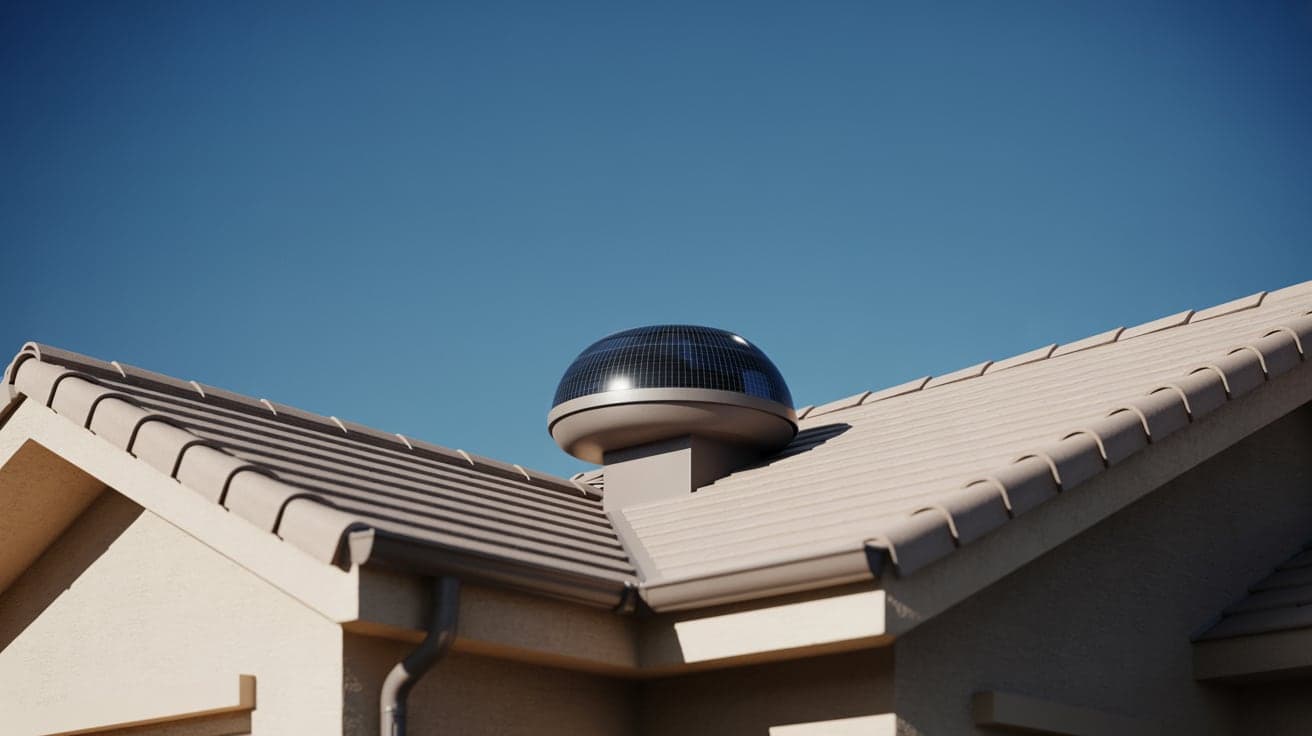
Option 1: Install Top-Quality Shingles
One of the most important factors to consider when installing a new roofing system is the types of roofing materials you want to use. While there are many types of roofing shingles in the market, installing top-quality shingles will allow you to protect your home for years to come. Some brands even come with more adhesive bonds, which provide added protection against shingle delamination and leaks.
In Arizona, add one more filter: look for shingles that appear in the CRRC directory with solid aged reflectance values, not just a color that looks light. Manufacturers now make reflective granule blends in colors that read as normal desert tones from the street, so you are no longer choosing between curb appeal and performance.
Quality matters for a second reason that has nothing to do with energy. A shingle that survives 20 years of desert thermal cycling is a shingle that never becomes landfill material at year 12. Longevity is sustainability. Our residential roofing crews spend a lot of time explaining that the cheapest shingle on the shelf is usually the most wasteful choice over the life of the house.
Option 2: Use Low-E ThermaSheet
Another eco-friendly roofing alternative is adding Low-E ThermaSheet to your pitched roof. This underlayment provides a thermal insulation break designed to lower attic air temperatures, so you stay cooler during the hot summer months. It is lightweight and installs easily under tile, shingle, or metal.
The product is a polished aluminum facing bonded to a closed-cell foam core, and it works two ways. The manufacturer's published figures state that with an airspace beneath a metal roof it reflects up to 97 percent of radiant heat, and that installed directly under composite shingles without an airspace it still provides a thermal break that lowers the temperature below the roof deck by 8 to 12 degrees. Low-E also notes that ThermaSheet carries an ICC-ES evaluation as a stand-alone roofing underlayment, which matters when a building department asks.
The practical point for an Arizona homeowner: a radiant barrier attacks the part of the heat load that insulation handles worst. Attic heat gain in July is largely radiant, not conductive, and R-value alone does not stop radiant transfer.
Don't Replace, Restore
Perhaps the most significant way you can contribute to the environment is by opting for a roof restoration over tearing it off whenever possible.
What you gain by restoring
By getting a roof restoration, you will:
- Help reduce the number of waste contributions to local landfills
- Save money by avoiding the expense of a complete roof replacement
- Avoid the hassle and mess that comes with a roof tear-off
- Enjoy longer-lasting results than those provided by a conventional 'remove and replace'
The waste argument is not abstract. The National Association of Home Builders estimates roof installations in the United States generate somewhere between 7 to 10 million tons of tear-off waste and installation scrap every year, and the great majority of it is landfilled rather than recycled. Every restoration is a load that never leaves the property.
When restoration is not the answer
Restoration is not always the right call. It depends on the condition of the deck, how much moisture is trapped in the existing system, and whether the substrate will hold a coating. But on low-slope commercial roofs in particular, a reflective coating system over a sound membrane is often the best combination of cost, disruption, and energy performance available. That is a large share of the commercial roof maintenance work we do across the Valley.
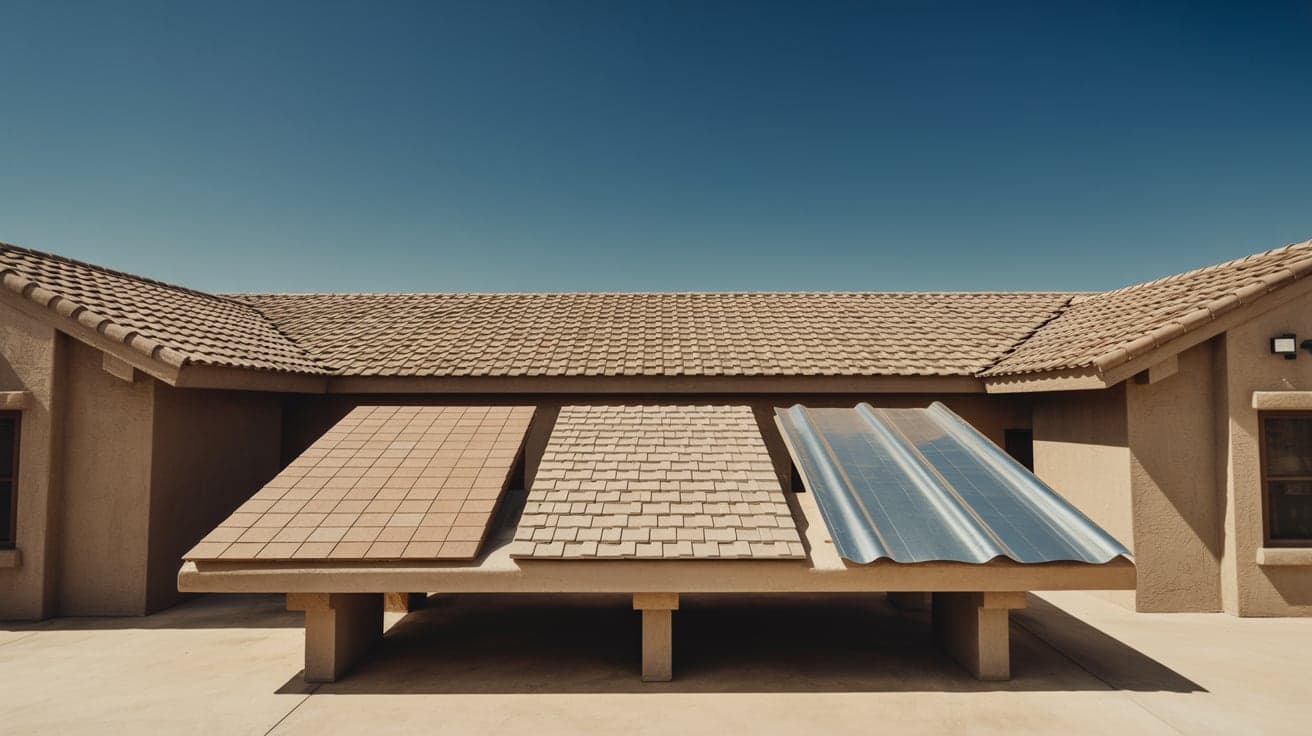
How Do the Three Options Compare?
| Approach | What it does | Best fit | Environmental win |
|---|---|---|---|
| Cool-rated shingles | Reflects sunlight and re-emits absorbed heat at the surface | Pitched roofs due for replacement | Longer service life, lower cooling load |
| Low-E ThermaSheet | Adds a radiant barrier and thermal break under the covering | Any reroof on a pitched roof, tile or shingle | Cuts radiant attic heat gain without added bulk |
| Roof restoration or coating | Renews and seals an existing sound roof, usually with a reflective topcoat | Low-slope and flat roofs with a repairable substrate | No tear-off, no landfill load, high reflectance |
The three are not mutually exclusive. A tile reroof can include new underlayment with a radiant barrier, and a coated commercial roof can be recoated again at the end of the topcoat's life rather than replaced.
Does the Attic Matter as Much as the Roof?
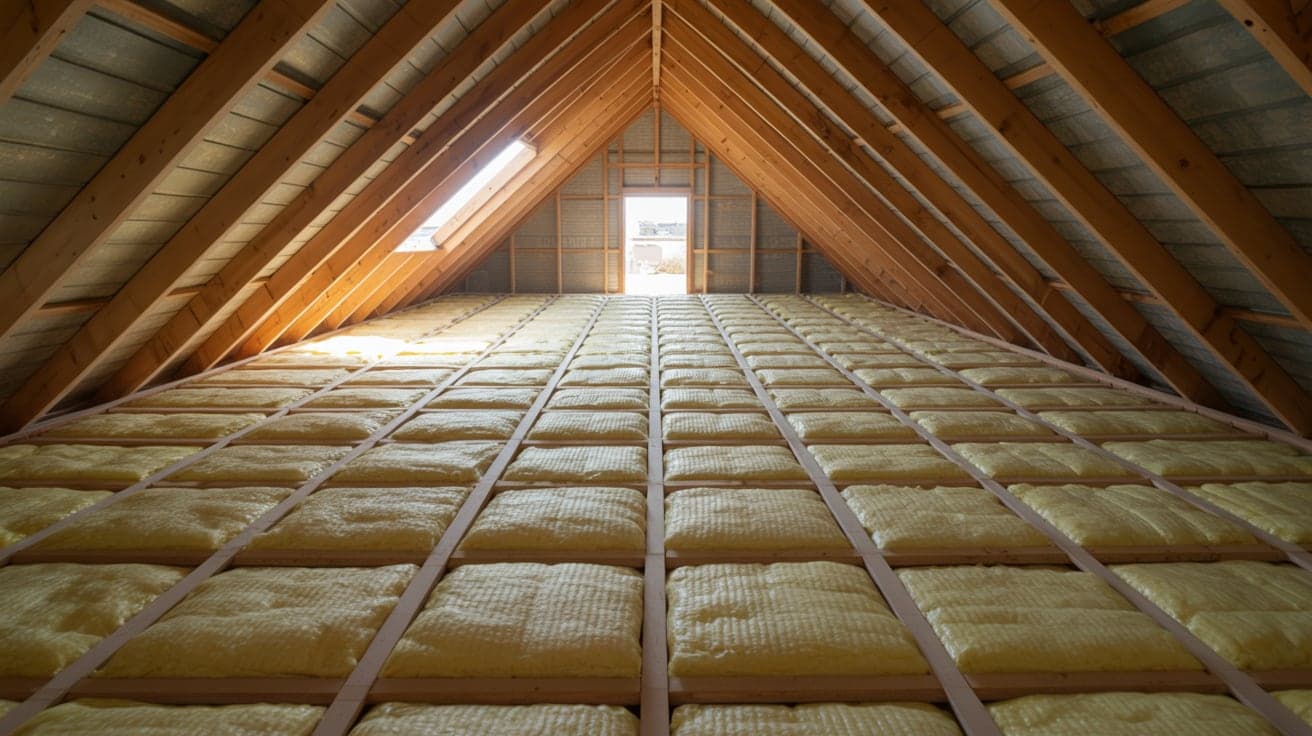
More than most people expect. The Department of Energy places Phoenix metro in climate zone 2 and recommends attic insulation in the R-30 to R-60 range. If your attic is under-insulated, a reflective roof helps, but a lot of the benefit leaks away through the ceiling anyway.
Ventilation is the other half. The International Residential Code requires attic ventilation of at least 1/150 of the vented area in net free ventilating area, with a 1/300 allowance when the vents are properly split between the upper portion of the attic and the eaves. In the Valley, blowing dust silts up soffit screens over time and quietly kills the intake side of that system. It is worth checking when the roof is being worked on anyway.
Partner with an Eco-Friendly Roofing Company for Best Results
At Eco Roofing Solutions, LLC, we've provided sustainable roofing materials to homeowners in Scottsdale and across the Phoenix metro. We are family-owned, hold active Arizona ROC license 330901 (CR-42), and belong to the Arizona Roofing Contractors Association for both residential and commercial work. Eric Perry, our Owner and President, is a third-generation roofer with more than 25 years of hands-on experience on desert roofs. We use top-rated shingles so the system holds up to Arizona sun and keeps paying you back over the long run.
In addition, we always take the tiles that we remove from homes to recycling centers, which grind them up for concrete filler or pavers. Our office is at 75 W Baseline Rd Suite 19 in Gilbert, open Monday through Saturday, 8AM to 5PM.
If you are weighing a reroof against a restoration, or you just want to know which of these three makes the biggest difference on your particular house or building, contact us and we will walk the roof with you. You can also see the full range of commercial roofing and residential systems we install.