The most effective energy-efficient roofing options for an Arizona home are the ones that reject sunlight before it ever turns into heat in your attic: a cool-rated roof surface, backed by adequate insulation and balanced ventilation. Reflective coatings, cool-rated tile and metal, spray polyurethane foam on low-slope sections, and solar all work in the low desert, but they solve different problems. What is right for your house depends on the slope of your roof, the condition of what is up there now, and how long you plan to own the place.
Energy costs continue to rise, prompting homeowners to look for ways to make their homes more energy-efficient. Upgrading your roof is an effective way to reduce power consumption. Choosing energy-efficient roofing options in Arizona lowers utility bills and reduces your home's environmental impact.
Why does roofing energy efficiency matter more in Arizona than almost anywhere else?
The Phoenix metro sits in climate zone 2B, the hot-dry zone used by the International Energy Conservation Code and ASHRAE. That designation is shorthand for a simple reality: our buildings are cooling-dominated. Heating is an afterthought here, and nearly everything your roof does for your energy bill happens between May and October.
The numbers behind that are stark. The EPA reports that conventional roofs in the United States can reach summer peak surface temperatures of 150 to 185 degrees Fahrenheit, while cool roofing products can stay roughly 50 to 60 degrees cooler under the same sun. Every degree of that difference is heat that never has to be pushed back out by your air conditioner.
What actually makes a roof "cool," and how is it measured?
Opt for a roofing option that reflects more sunlight and absorbs less heat. Cool roofs can keep your home cooler and reduce the need for air conditioning, especially during hot summer months. This roof can be made from various materials, including shingles, tiles, or metal. They are typically coated with reflective paint or have special granules that increase their ability to reflect sunlight.
The Cool Roof Rating Council rates roofing products on two properties, each on a scale of 0 to 1:
- Solar reflectance is the fraction of sunlight the surface bounces back instead of absorbing.
- Thermal emittance is how efficiently the surface sheds the heat it does absorb.
Those two values feed a single number, the Solar Reflectance Index, calculated under ASTM E1980, where a standard black surface scores 0 and a standard white surface scores 100. The CRRC publishes both initial values and values aged three years outdoors. In dust-storm country, always compare the aged numbers. Monsoon dust settles on every roof in the Valley, and a soiled reflective surface does not perform like a clean one.
One shopping note that trips people up: the EPA sunset its ENERGY STAR roof products program on June 1, 2022, so that label no longer applies to roofing. CRRC ratings are now the practical way to compare products.
Which roofing materials give the best energy performance in the low desert?
| Material | Typical service life | How it fights heat | Best fit |
|---|---|---|---|
| Concrete or clay tile | 50+ years for the tile itself (Tile Roofing Industry Alliance); underlayment is the wear item | Thermal mass plus a ventilated air gap under the tile | Pitched roofs, HOA neighborhoods, long-term owners |
| Metal (standing seam, metal shingle, tile profile) | 40 to 70 years per the Metal Roofing Alliance | High reflectance and emittance with cool-rated finishes | Pitched roofs, wildfire and wind exposure, long-term owners |
| Asphalt shingle | Roughly 15 to 30 years, shorter under constant UV | Cool-rated granules raise reflectance modestly | Budget-conscious replacement, matching an existing neighborhood |
| Single-ply membrane (TPO, PVC) | Commonly 20 to 30 years | White membrane with high solar reflectance | Flat and low-slope sections |
| Spray polyurethane foam | Long service life when recoated on schedule, typically every 10 to 15 years | Roughly R-6.5 per inch of continuous insulation, plus a reflective topcoat | Flat and low-slope roofs, seamless coverage over penetrations |
| Reflective coating over a sound substrate | Varies by system and mil thickness | Raises reflectance on an existing roof | Extending a serviceable low-slope roof |
Metal roofing
Metal roofing is known for its durability and energy efficiency. It reflects solar heat, helping to keep your home cool during the day. Metal roofs are also highly durable and last up to 50 years. Some are coated with unique finishes that enhance their reflective properties. Metal roofing has styles and colors you can choose from, allowing you to maintain aesthetic appeal while being energy-conscious. The detail worth asking about is the finish: a cool-rated coating in a mid-tone color can outperform an uncoated light-colored panel, so compare CRRC numbers rather than guessing by color.
Clay and concrete tiles
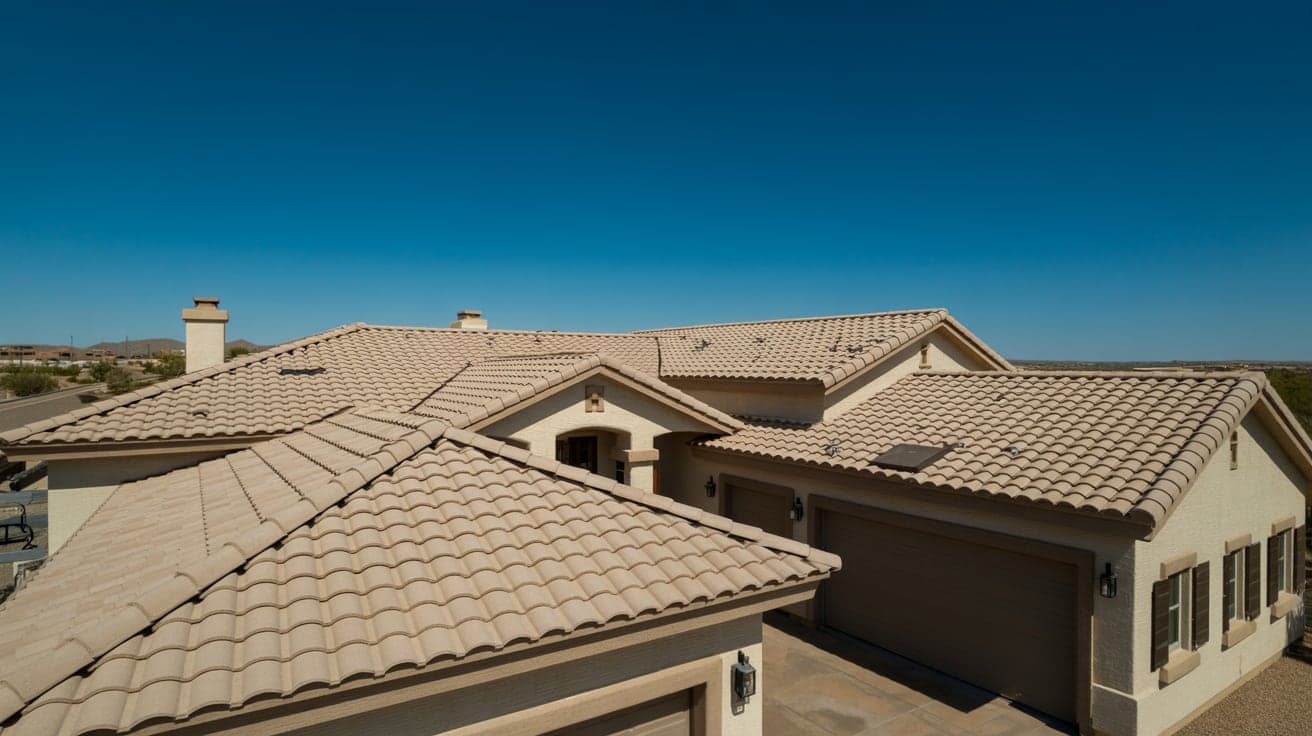
What makes clay and concrete excellent for saving energy? These materials have natural insulating properties, which help keep your home cool or warm. Their ability to regulate temperature reduces the need for constant heating or cooling, which can significantly lower energy usage. Clay and concrete tiles can also resist the effects of extreme weather, making them a smart choice for long-term energy savings.
There is a second effect people miss. Tile is installed over battens or a raised profile, which creates a ventilated air space between the tile and the deck. That gap carries away heat before it reaches the sheathing. It also means the underlayment beneath the tile, not the tile itself, is usually what determines when your roof needs work. Tiles can outlast the felt under them by decades, which is why a tile roof "lift and relay" is such a common project in the Valley.
Solar roofing
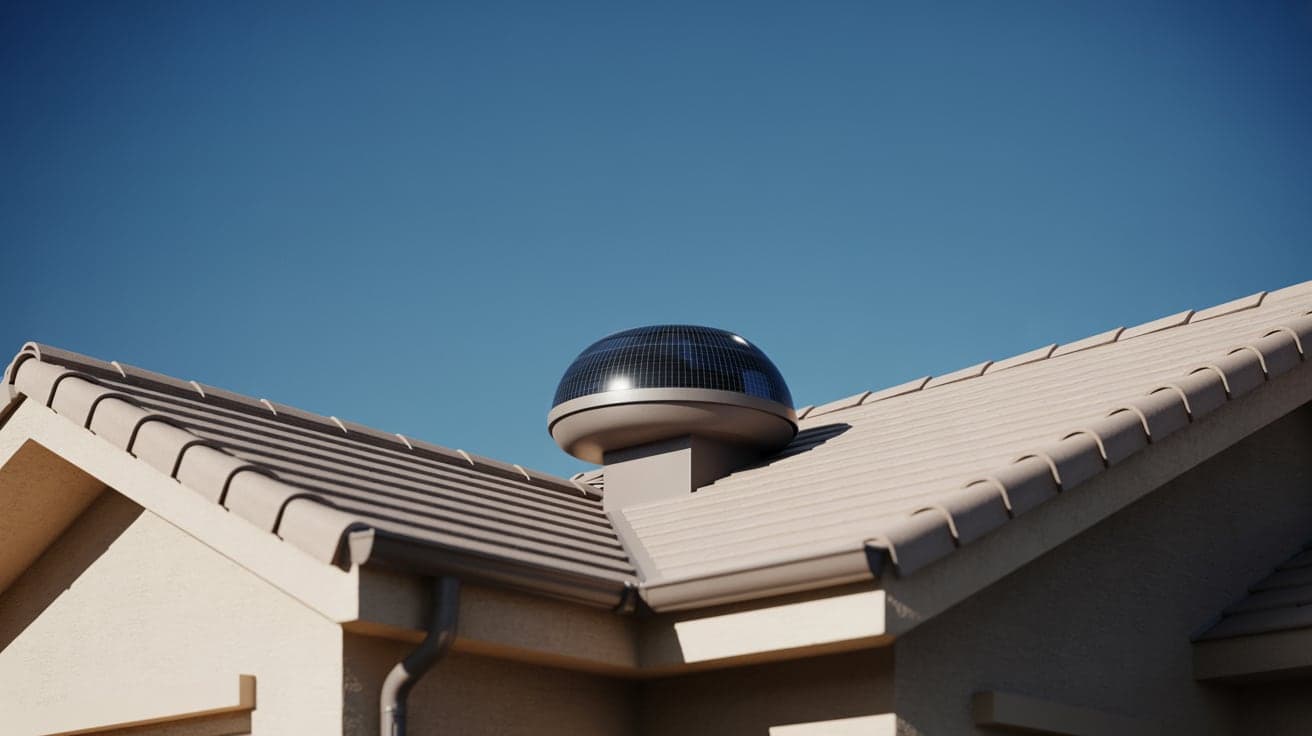
Solar roofing might be the right choice if you need a cutting-edge, energy-saving solution. Solar shingles or panels protect your home from the elements and generate electricity. They absorb heat from sunlight and convert it into usable energy, which can power your home and reduce your dependency on the grid. While solar roofs can be pricey, they will help you reduce energy bills in the long run.
Sequence matters more than anything else with solar. If your roof has ten years left and the array has thirty, you are signing up to pay for a removal and reinstall down the road. Handle the roofing first, then mount the panels on a surface that will outlive them. Incentives change from year to year, so confirm what is currently available through your utility and current federal rules before you build a payback estimate.
Does the roof surface alone do the job?
No, and this is where a lot of money gets wasted. A reflective surface reduces how much heat arrives at the deck. Insulation and ventilation control what happens to the heat that gets there anyway.
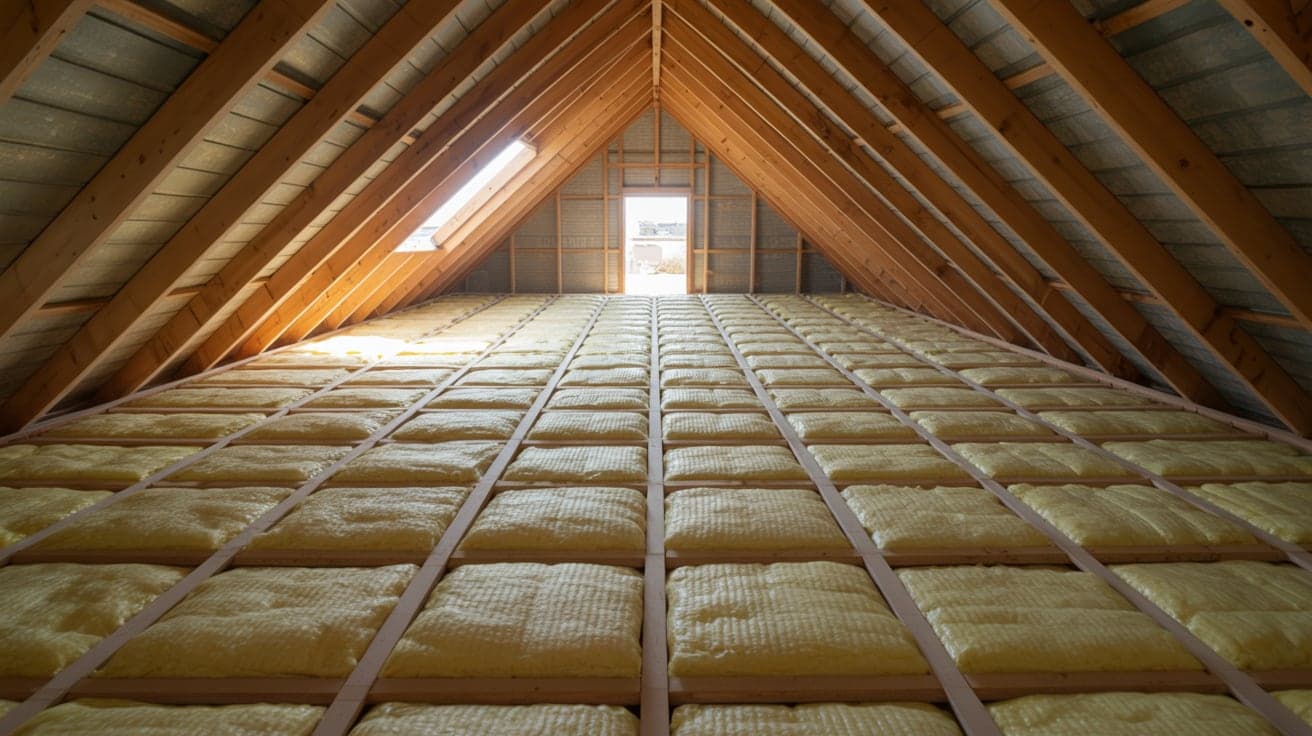
- Insulation. The Department of Energy's insulation guidance places attics in our climate zone in the R-30 to R-60 range. Plenty of Valley homes built before current energy codes are sitting well under that, with settled or displaced batts and gaps around can lights and ducts.
- Radiant barriers. The Department of Energy notes that studies show radiant barriers can reduce cooling costs by 5 to 10 percent in a warm, sunny climate, and that they are most effective when cooling ducts run through the attic. That describes a very large share of Arizona houses.
- Ventilation. The International Residential Code sets a baseline of 1 square foot of net free ventilating area for every 150 square feet of attic, with a 1:300 allowance when 40 to 50 percent of the vent area sits in the upper portion of the attic, within 3 feet of the ridge, and the rest is at the eaves. Balanced intake and exhaust is what makes an attic actually flush hot air instead of just having vents.
Get all three right and each one works harder. Our residential roofing crews look at the assembly as a system rather than pricing a surface in isolation, and a roof repair and maintenance visit is often the cheapest way to find out where the weak link is.
How should you choose between these options?
Work through four questions in order.
- What is the slope? Pitched sections and low-slope sections are different problems with different products. Many Valley homes have both.
- How much life is left in the current roof? A roof with years of service left is a coating or insulation candidate. A roof near the end is a replacement candidate, and that is when material upgrades cost the least in relative terms.
- How long will you own the house? A 50-year tile or metal system pays back differently than a shingle roof you expect to sell under in five years.
- Where are your ducts? If they run through a hot attic, insulation, ventilation, and radiant barrier work usually deliver more comfort per dollar than any surface change.
Homeowners across Gilbert, Mesa, and the rest of the Valley end up in different places on those answers, which is why we would rather look at the roof than recommend a product over the phone.
What does an energy-focused roof assessment look at?
- Existing insulation depth and coverage, including gaps at the eaves and around penetrations
- Whether intake and exhaust ventilation are actually balanced, not just present
- Condition of underlayment and flashings, which is where desert roofs usually fail first
- Slope and drainage on any low-slope sections, since ponding undoes everything else
- Duct runs and attic equipment, which change the priority order
- CRRC-rated product options that fit your HOA rules and the look of the house
Upgrading to an energy-saving roof is a wise investment to improve your home's comfort while reducing energy costs. Whether you choose cool roofs, metal, solar, or tiles, you'll make an environmentally friendly choice that will benefit you in the long run.
If you are looking for viable roofing options for your property, turn to Eco Roofing Solutions, LLC. We are a family-owned contractor based at 75 W Baseline Rd, Suite 19 in Gilbert, licensed under Arizona ROC 330901 (CR-42) and a member of the Arizona Roofing Contractors Association. If you want a straight answer about what your roof and attic are costing you each summer, get in touch and we will take a look.