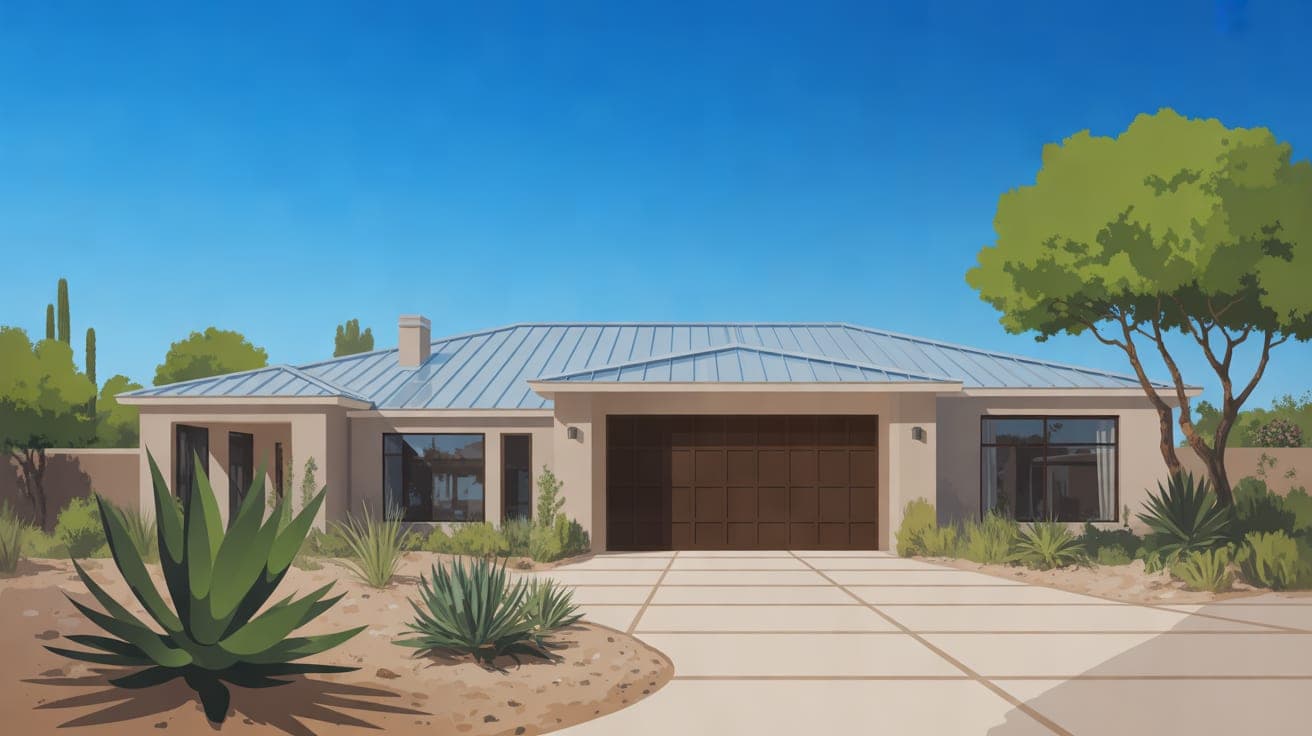
A Phoenix roof replacement is priced by roof size, the material (tile, shingle or a flat-roof system), how much old roofing comes off, and the condition of the deck underneath. Those vary from house to house, so Eco Roofing Solutions gives a written number after a free inspection rather than a ballpark range.
Table of contents
- What Factors Determine the Roof Replacement Cost in Phoenix?
- How Do Tile Roof Costs in Phoenix Differ from an Underlayment Replacement?
- What Influences Asphalt Shingle Roof Replacement Costs?
- What Drives the Price of Flat and Low-Slope Roofs?
- What is the "25 Percent Rule" for Roof Repairs?
- Should I Repair or Replace My Roof?
- How Can I Compare Phoenix Roof Replacement Estimates Fairly?
- How Does Roof Financing Work?
- Frequently asked questions
What Factors Determine the Roof Replacement Cost in Phoenix?
The final price of your new roof is a combination of materials, labor, and the specific conditions of your property. While every project is unique, several key factors consistently drive the overall investment. Understanding these components helps you see exactly where your money is going.
- Roof Size and Complexity: The primary factor is the total square footage of your roof. However, complexity matters just as much. A steep pitch, multiple gables, valleys, and dormers require more time, specialized safety equipment, and intricate labor, all of which influence the cost.
- Material Selection: The material you choose is the largest variable. Concrete tile, asphalt shingles, and flat roofing systems like foam or TPO all have different price points, installation requirements, and lifespans.
- Tear-Off and Disposal: Before installing your new roof, we must remove the old one. The cost for this depends on what’s being removed. Tearing off a single layer of lightweight asphalt shingles is straightforward, but removing multiple layers or heavy concrete tiles requires more labor and higher disposal fees.
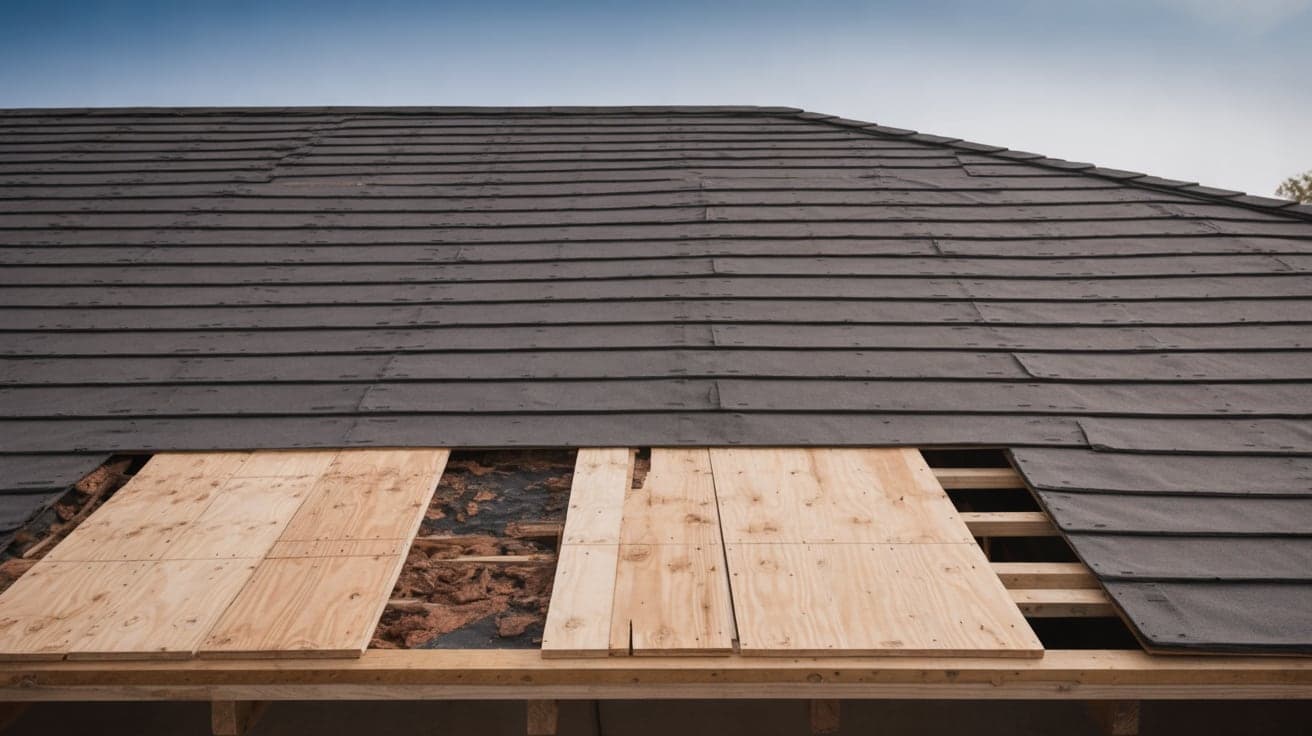
- Decking and Structural Repairs: We can’t assess the condition of the underlying wooden roof deck (the plywood or OSB sheathing) until the old materials are gone. If we find dry rot, water damage, or termite damage, those sections must be replaced to create a solid foundation for your new roof. This is a common and necessary part of the process.
- Underlayment Quality: In Arizona, the underlayment is your roof's most critical waterproofing layer, especially under tile. The intense UV radiation breaks down standard felt over time. We use high-quality synthetic underlayments designed to withstand the desert heat, providing a more durable and long-lasting barrier against leaks.
- Flashing and Penetrations: Every roof has penetrations for vents, pipes, chimneys, and skylights. Each of these must be sealed with flashing: custom-fit metal pieces that direct water away. This is highly detailed work, and doing it correctly is essential to prevent leaks.
- Permits and Code Compliance: Most Valley cities require a building permit for a full roof replacement. The permit fees are part of the project cost. Additionally, if building codes have changed since your last roof was installed, we may need to make upgrades, such as improving ventilation, to ensure your new roof is fully compliant.
- Property Access: If your home is on a tight lot with limited space for our equipment and material delivery, or if extensive landscaping needs to be protected, it can add to the labor time required.
- Solar Panel Detach and Reset: If you have a solar array, it must be professionally detached before we begin work and reinstalled after the new roof is complete. We coordinate this process with trusted partners to ensure it’s handled correctly.
How Do Tile Roof Costs in Phoenix Differ from an Underlayment Replacement?
A tile roof replacement in Phoenix usually means one of two distinct jobs, each with a different scope and cost. Because concrete and clay tiles can last for 50 years or more, the underlayment beneath them almost always fails first due to our extreme heat.
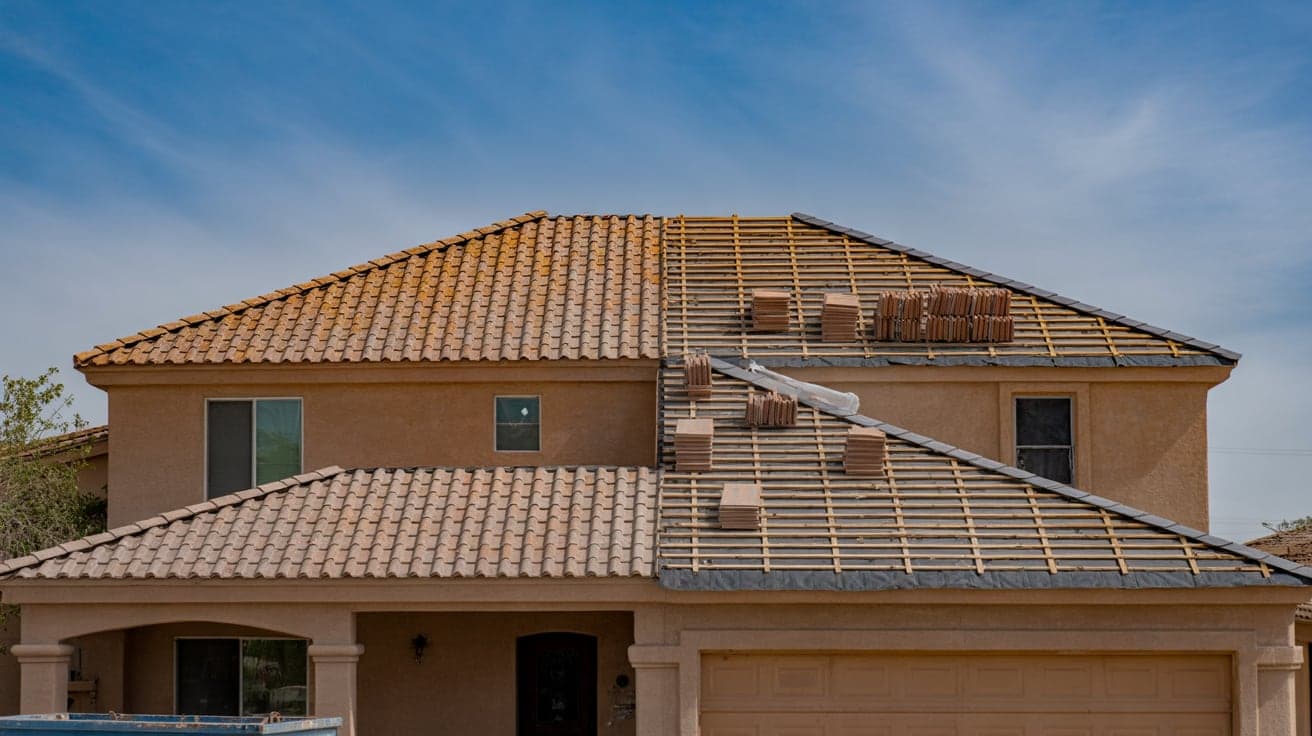
- Underlayment Replacement (Lift and Relay): This is the job most aging Valley tile roofs need. We carefully remove your existing tiles, stack them on-site, and dispose of the old, brittle underlayment. After inspecting and repairing the roof deck, we install a new, high-performance synthetic underlayment and then reinstall your original tiles, replacing any that are cracked or broken. This process, often called tile re-roofing, restores your roof's waterproofing integrity without the cost of all-new tiles.
- Full Re-Tile: This involves a complete tear-off of both the old tiles and the underlayment. You would choose this option if your existing tiles are extensively damaged, discontinued (making it impossible to find replacements), or if you simply want to change the color or style of your roof.
What Influences Asphalt Shingle Roof Replacement Costs?
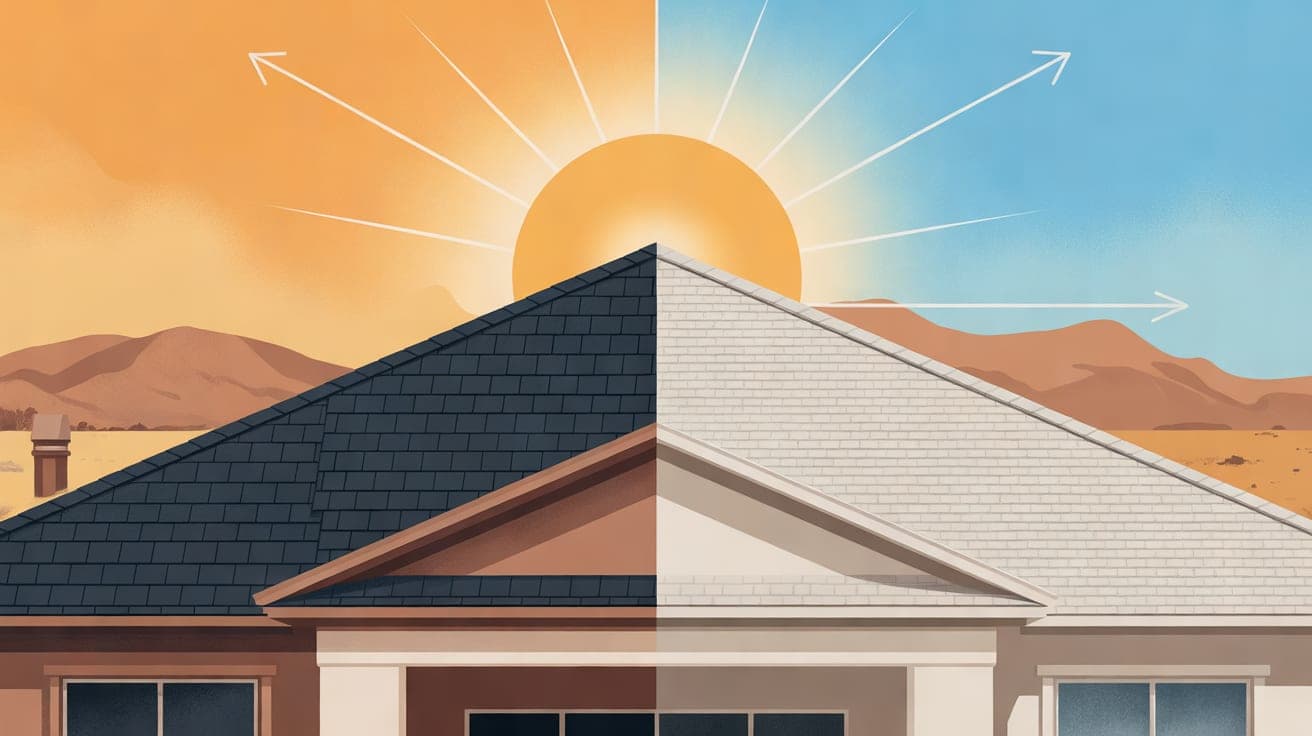
The cost of an asphalt shingle roof replacement is primarily driven by the quality of the shingle you select and the number of old roofing layers that need to be removed. Architectural or dimensional shingles are the standard in Phoenix today, offering better durability, wind resistance, and a more appealing look than older, flat 3-tab shingles. Shingles with higher solar reflectivity ratings can also help reduce your cooling costs.
A major factor is the existing roof. If you have two or more layers of old shingles, the labor and disposal costs for the tear-off will be higher. While some codes once allowed for roofing over a single existing layer, it’s a poor practice in our climate. It traps heat, shortens the life of the new shingles, and hides potential problems with the roof deck. At Eco Roofing Solutions, we believe a full tear-off is always the best approach for a long-lasting result.
What Drives the Price of Flat and Low-Slope Roofs?
Many Arizona homes and businesses have flat or low-slope sections that require specialized roofing systems. The cost drivers for these depend heavily on the material and the preparation work required.
- Spray Polyurethane Foam (SPF): An SPF roof is a seamless, insulated system. The cost is influenced by the required thickness of the foam (which determines its R-value, or insulating power) and the extensive surface preparation needed to ensure proper adhesion. A protective elastomeric coating is then applied over the foam, and the thickness of this UV-blocking layer also affects the price.
- TPO and Single-Ply Membranes: These are popular for both residential and commercial roofing. The cost is determined by the thickness of the membrane (thicker membranes are more durable), the installation method (fully adhered systems are typically more labor-intensive than mechanically fastened ones), and the complexity of welding seams around penetrations.
- Elastomeric Coatings: A coating is a maintenance application, not a full replacement. It's designed to extend the life of an existing foam or membrane roof. The cost depends on the amount of prep work (cleaning and repairs) and the number of coats needed to achieve the specified thickness for proper waterproofing and UV protection. You can learn more about whether a flat roof is right for your property on our blog.
What is the "25 Percent Rule" for Roof Repairs?
The "25 percent rule" is a rule of thumb you will hear from roofers and insurance adjusters, especially after monsoon storms. It says that if more than 25% of a single roof slope or section is damaged, it is often more practical and cost-effective to replace that entire section rather than attempting numerous small patches.
Patching a widespread area can lead to a cycle of chasing leaks, as the older surrounding materials continue to fail. Replacing the full section gives you a consistent, properly integrated surface of new materials instead of a patchwork.
Should I Repair or Replace My Roof?
Deciding between a repair and a full replacement depends on your roof's age, the nature of the damage, and your long-term plans. A targeted repair from our Phoenix roofing team can be the right call for an isolated issue on a roof that still has years of life left. A full replacement is a long-term investment that resolves widespread or systemic problems.
| Consideration | Choose a Repair When... | Choose a Replacement When... |
|---|---|---|
| Age of Roof | The roof is well within its expected service life. | The roof is approaching or has exceeded its expected lifespan. |
| Extent of Damage | The damage is isolated to one small area (e.g., a few blown-off shingles). | Damage is widespread across multiple areas of the roof. |
| Type of Damage | The issue is minor, like a single cracked tile or loose flashing. | You see signs of systemic failure, like widespread granule loss or brittle underlayment. |
| Future Plans | You may be selling the home soon and need a quick fix. | You plan to stay in your home long-term and want peace of mind. |
How Can I Compare Phoenix Roof Replacement Estimates Fairly?
When you get multiple estimates, it’s tempting to focus on the bottom-line number, but that can be misleading. From our experience, a suspiciously low price often means a contractor is cutting corners on materials or labor. To make an apples-to-apples comparison, look closely at these details.
- Scope of Work: Does the estimate clearly state what is included? It should specify a full tear-off, the type of underlayment, flashing details, ventilation, and cleanup.
- Materials Specified: The proposal should list the exact manufacturer and product names for all major components: shingles, tiles, underlayment and membranes. Vague terms like "standard shingles" are a red flag.
- Decking Repair Costs: The estimate should state the price for replacing sheets of damaged roof decking (e.g., per 4x8 sheet of OSB or plywood). This is an unknown until the tear-off, but the unit price should be clear upfront.
- Workmanship Warranty: The manufacturer covers defects in the material, but your roofer warranties the installation labor. A reputable company will offer a clear, long-term workmanship warranty. See what past customers say by checking Eco Roofing Solutions reviews.
- Licensing and Insurance: Only consider contractors who are licensed, bonded, and carry both general liability and worker's compensation insurance in Arizona, and ask for proof before you sign.
How Does Roof Financing Work?
A roof replacement is a significant investment in your home's safety and value, and you don't have to pay for it all at once. To make this essential project manageable, many homeowners use financing. We work with a network of lenders to offer roof financing, so you can get the new roof you need now and pay for it over time with predictable monthly payments. The process typically involves a quick online application and a fast credit decision, making it an accessible way to protect your largest asset without draining your savings.
Your home is your shield against the intense Arizona sun and powerful monsoon storms. A sound roof is your first line of defense. For a detailed, no-obligation inspection and a transparent written estimate for your roof replacement, contact the family team at Eco Roofing Solutions today.
Frequently asked questions
How long does a roof replacement take in Phoenix?
A typical residential roof replacement in the Phoenix area takes between 2 to 5 days, depending on the size and complexity of the roof, the material being installed, and weather conditions. A large or intricate project, or one requiring extensive decking repairs, can take longer.
Can you replace a roof during the summer or monsoon season?
Yes, we work year-round. Experienced Arizona roofers are accustomed to working in the heat and carefully monitor the weather during monsoon season. We only tear off sections of the roof that we can make watertight by the end of the day, ensuring your home stays protected from unexpected rain.
Will my homeowner's insurance cover a roof replacement?
Homeowner's insurance typically covers roof replacement if the damage was caused by a sudden, accidental event like a windstorm, hail, or a fallen tree. It generally does not cover replacement due to old age, wear and tear, or lack of maintenance.
What is the most energy-efficient roofing material for Arizona?
Materials with high solar reflectivity are best for our climate. This includes light-colored shingles and tiles, "cool roof" coatings for flat roofs, and Spray Polyurethane Foam (SPF), which provides excellent insulation in addition to being a reflective, waterproof barrier.
Why is underlayment so important for a tile roof in AZ?
In Arizona, the underlayment is the primary waterproofing layer for a tile roof. The tiles themselves shed most of the water and protect the underlayment from direct sun, but the intense, radiant heat still degrades the underlayment over time, making it brittle and prone to cracking. A high-quality synthetic underlayment is crucial for long-term performance.
Do I need a permit for a roof replacement in Phoenix?
Yes, nearly all municipalities in the Phoenix metro area, including the City of Phoenix, require a building permit for a full roof replacement (a "re-roof"). Your roofing contractor is responsible for pulling the necessary permits before work begins.