Finding the right eco roofing company in Arizona involves verifying their expertise in sustainable materials and their deep understanding of our harsh climate. A top contractor uses energy-efficient systems and responsible methods to lower your utility bills, protect your property, and deliver a roof built to last for decades.
Table of contents
- What Truly Defines an Eco Roofing Company?
- Why is an Eco-Friendly Roof a Smart Investment for Arizona Properties?
- What Sustainable Roofing Systems Work Best in Arizona's Climate?
- How Do You Choose the Right Eco Roofing Company in Arizona?
- Frequently asked questions
What Truly Defines an Eco Roofing Company?
An authentic eco roofing company integrates environmental responsibility into every stage of its process, from material selection to end-of-life recycling. This isn't about offering one or two “green” products; it's a comprehensive philosophy that prioritizes sustainability without compromising performance. This approach means using materials with high recycled content, installing systems engineered for maximum energy efficiency, minimizing waste during tear-off and installation, and choosing products with exceptional longevity. A roof that lasts 50 years creates far less landfill waste than one needing replacement every 15, making durability a cornerstone of true eco-friendly roofing.
Why is an Eco-Friendly Roof a Smart Investment for Arizona Properties?
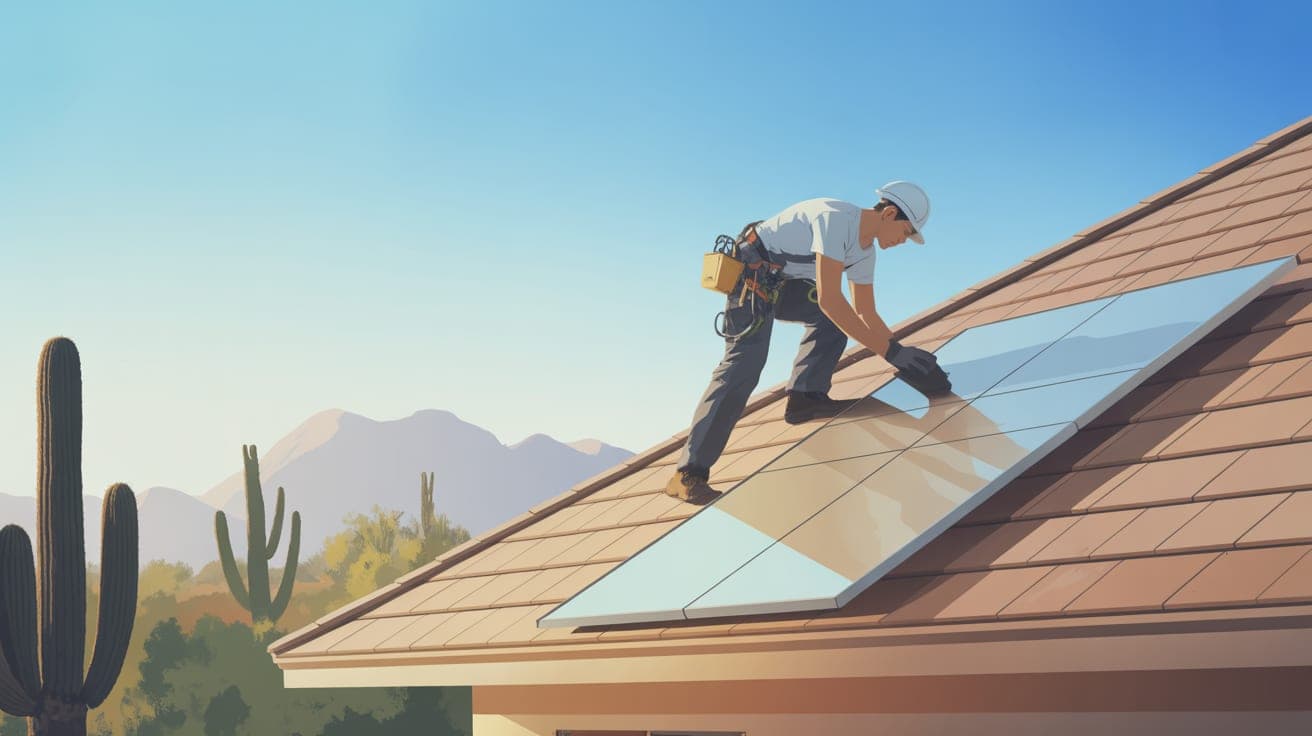
An eco-friendly roof is one of the most effective upgrades for your Arizona home or business, delivering tangible returns far beyond its environmental benefits. The most immediate advantage is significant energy savings. In a climate where air conditioning drives utility bills, a “cool roof” can dramatically lower your energy consumption. These systems are designed to reflect more sunlight and absorb less heat than standard roofing. This is measured by the Solar Reflectance Index (SRI), a 0-to-100 scale indicating a material's ability to reject solar heat. A higher SRI value means a cooler roof, which reduces heat transfer into your building, eases the load on your HVAC system, and cuts monthly costs.
Beyond lower energy bills, these roofing systems are engineered for the harsh Arizona environment. They offer superior resistance to the intense UV radiation that degrades lesser materials and are built to withstand the thermal shock of our extreme temperature swings and the force of monsoon winds. This robust construction translates to a longer lifespan, fewer repairs, and a higher return on your investment. For commercial property owners, a durable, low-maintenance system like those used in modern commercial roofing is a critical operational asset.
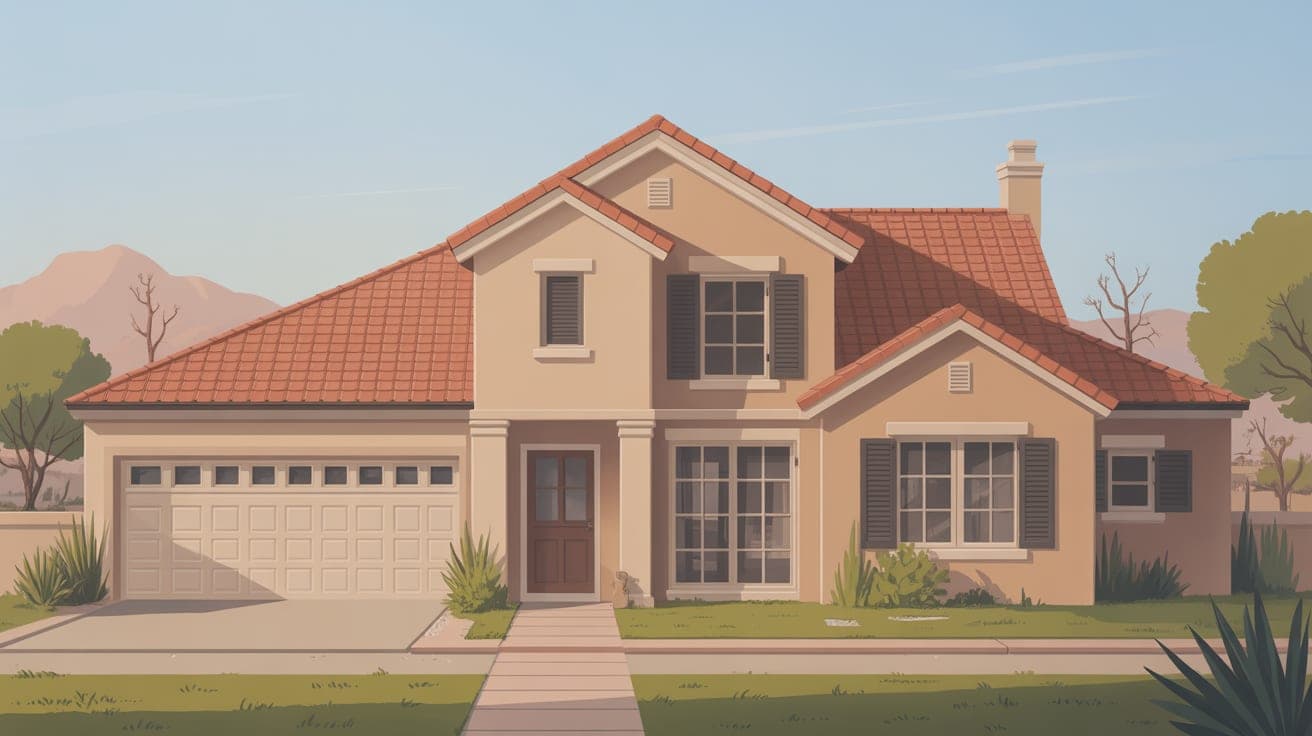
What Sustainable Roofing Systems Work Best in Arizona's Climate?
Selecting the right material is crucial for maximizing your roof's performance and lifespan in Arizona. Each option offers a unique balance of durability, energy efficiency, and aesthetics, so your choice will depend on your property type, budget, and long-term goals.
Here is a comparison of the top sustainable roofing systems suited for our climate:
| System Type | Key Benefit for AZ | Lifespan (Approx.) | Sustainability Factor |
|---|---|---|---|
| Cool Roof Coatings | High Solar Reflectivity | 10-20 Years | Extends life of existing roof, reducing waste. High SRI. |
| Standing Seam Metal | Extreme Durability & Reflectivity | 50+ Years | High recycled content (25-95%); 100% recyclable. |
| Clay & Concrete Tile | Superior Longevity & Airflow | 50-100+ Years | Made from natural materials; inherent ventilation properties. |
| Cool Asphalt Shingles | Cost-Effective Reflectivity | 20-30 Years | Embedded with special granules to reflect solar heat. |
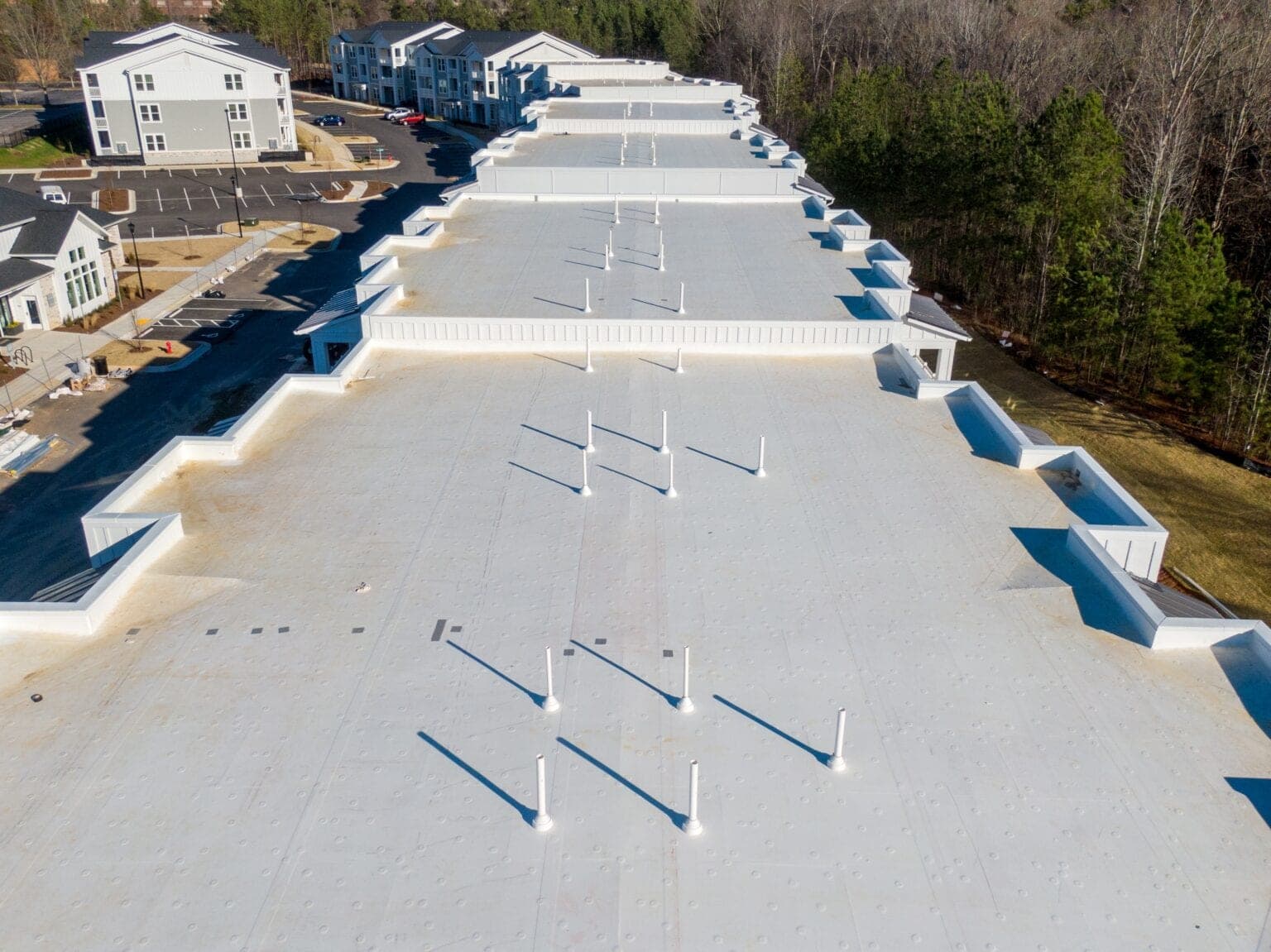
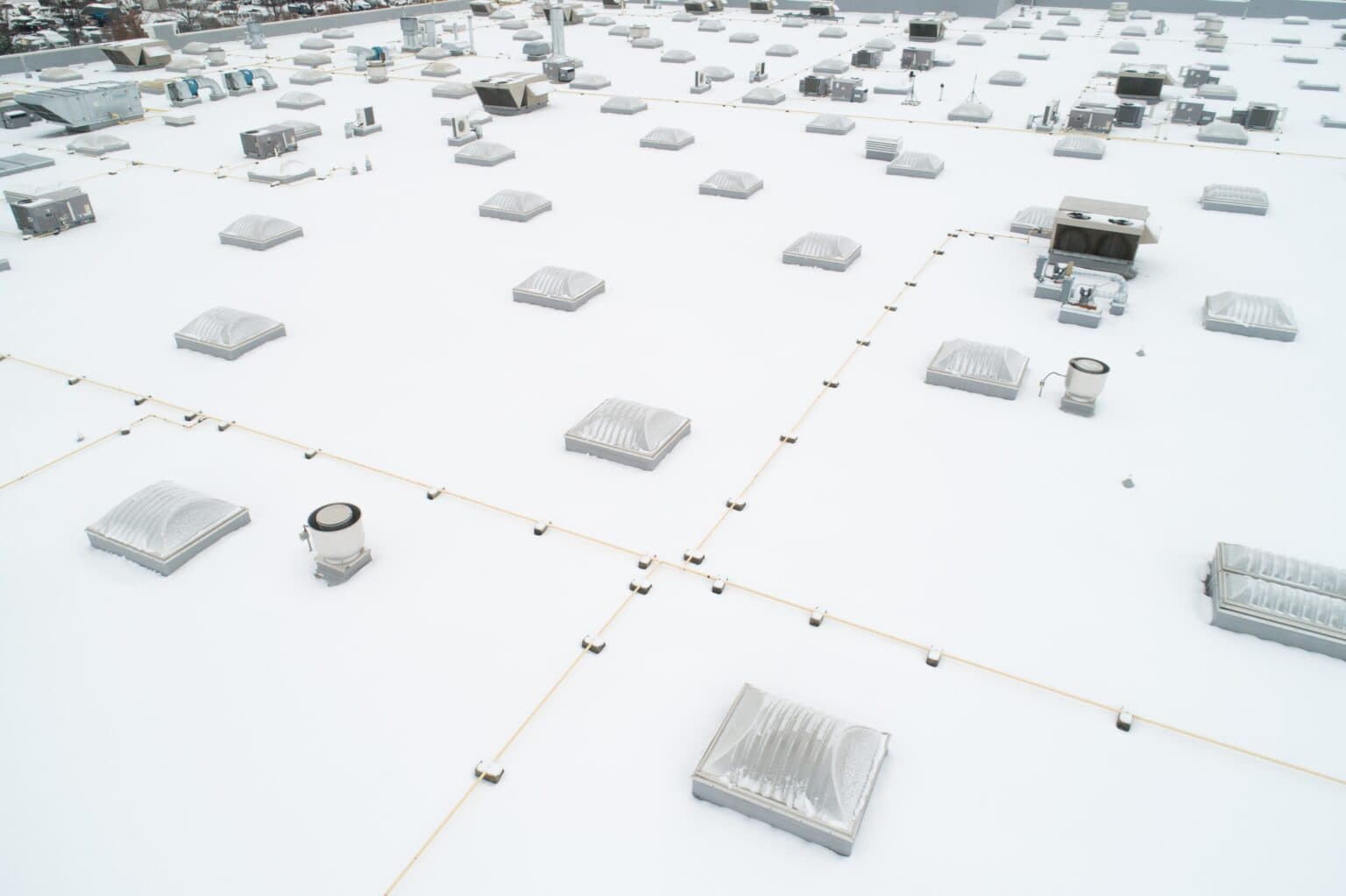
- Cool Roof Coatings, like silicone or elastomeric formulas, are ideal for low-slope or flat roofs. They create a seamless, waterproof membrane that reflects up to 85% of solar radiation, keeping the building significantly cooler.
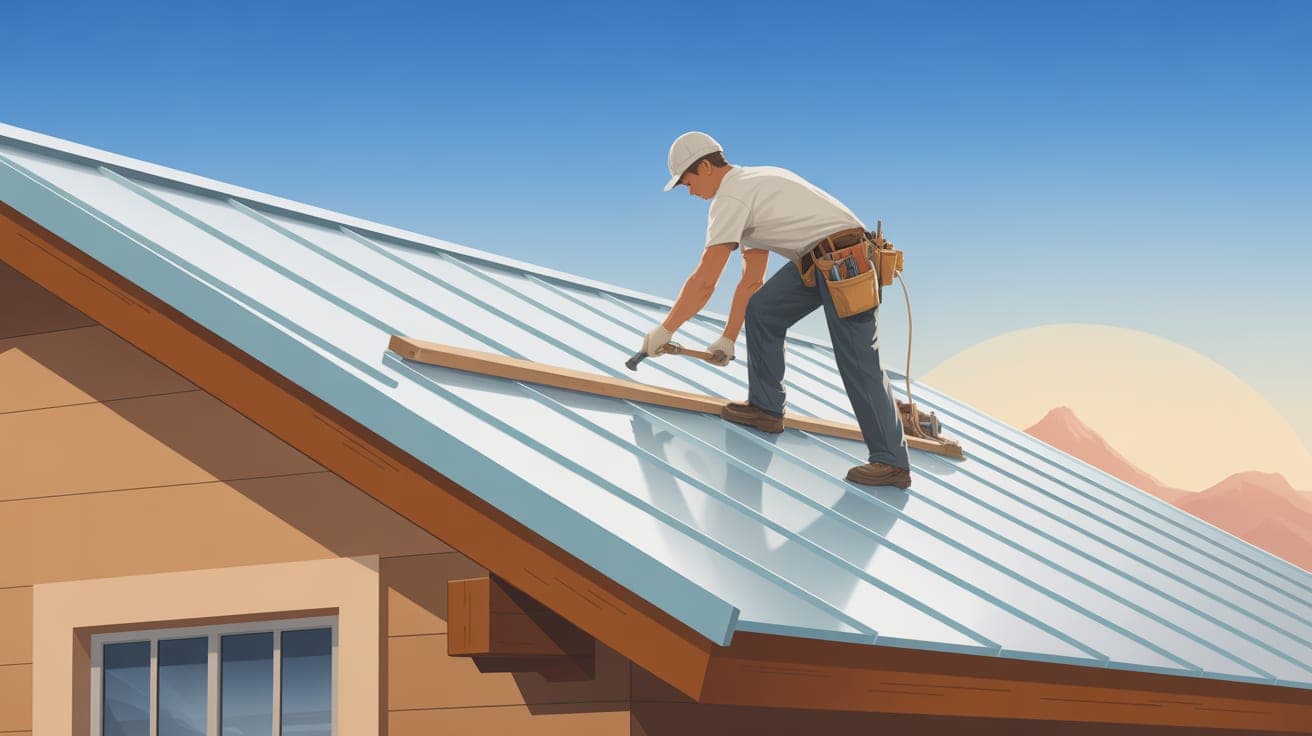
- Metal Roofing is exceptionally resilient against wind, hail, and fire. Its factory-applied finishes provide high SRI values, and its long lifespan makes it one of the most sustainable choices you can make.
- Tile Roofing is a classic choice for Southwestern architecture. The natural air pocket beneath the curved tiles creates an insulating buffer that helps reduce heat transfer. Modern tiles are also available in cool colors with high solar reflectance.
- Cool Asphalt Shingles offer the look of a traditional roof but with modern, energy-saving technology, making them an accessible entry point into eco-friendly roofing.
How Do You Choose the Right Eco Roofing Company in Arizona?
A contractor's expertise is just as important as the materials they install. An improperly installed high-performance roof will fail, wasting your investment and its environmental benefits. As a family-owned business with over 25 years of experience here in the Valley, we know what it takes to build a roof that lasts.
When vetting an eco roofing company, focus on these key qualifications:
- Verifiable Arizona Experience: The contractor must understand our climate's unique challenges, from proper ventilation in extreme heat to flashing techniques that withstand monsoon downpours. Ask for local examples of their work, whether it's a new roof in Gilbert or repairs in Phoenix.
- Deep Material Knowledge: A true expert can explain the specific SRI, emissivity, and recycled content of their recommended products. They should articulate the trade-offs between different systems for your property, not just push one solution.
- Transparent Processes: Ask how they manage waste. Do they recycle old materials? A responsible contractor has a plan to divert debris from landfills. Their installation process should be meticulous, ensuring every component contributes to the roof's efficiency and longevity.
- Proper Credentials: Always confirm they hold a current Arizona Registrar of Contractors (ROC) license and carry full liability and workers' compensation insurance. This protects you and ensures they adhere to professional standards.
- Stellar Reputation: Look for a history of satisfied customers. Check online reviews and ask for local references to gauge their commitment to quality and service. You can see what our customers say by reading our Eco Roofing Solutions reviews.
Your roof is a long-term investment in your property's safety, value, and efficiency. By choosing a qualified, experienced, and genuinely committed eco roofing company, you ensure that investment pays dividends for decades.
Ready to protect your property with a durable, energy-efficient roofing solution? Contact the team at Eco Roofing Solutions today for a comprehensive consultation and a free, no-obligation estimate. Request your free quote online or give us a call.
Frequently asked questions
What is a reasonable price for a new roof in Arizona?
A reasonable price for a new roof depends heavily on the size of the roof, the materials chosen, the complexity of the job (e.g., number of valleys and penetrations), and the contractor's labor rates. For a typical 1,500-square-foot home, costs can range widely, but a high-quality installation is a significant investment. It's best to get multiple detailed quotes from licensed, insured contractors to establish a fair market price for your specific project.
Is $30,000 too much for a roof?
Whether $30,000 is too much for a roof depends entirely on the project's scope. For a large home with premium materials like standing seam metal or high-grade tile, this price could be perfectly reasonable. However, for a smaller home with standard asphalt shingles, it would likely be excessive. The key is to evaluate the detailed quote to understand what you're paying for in terms of materials, labor, warranty, and waste disposal.
What is the “25% rule” in roofing?
The “25% rule” is a guideline used by some insurance companies and roofing professionals. It suggests that if more than 25% of a roof is damaged, it is often more practical and cost-effective to replace the entire roof rather than attempting to patch or repair it. This ensures uniform performance, appearance, and warranty coverage across the whole roof surface.
How can I get my roof repaired if I have no money?
If you need an urgent roof repair but lack immediate funds, several options may be available. Many reputable roofing companies offer financing plans that allow you to pay over time. You can also look into home equity lines of credit (HELOCs), FHA Title I loans for property improvements, or grants from local or state programs designed for home repairs, especially if the damage poses a safety risk.
What makes a roofing company truly “eco-friendly”?
A truly eco-friendly roofing company goes beyond just offering sustainable materials. They adopt a holistic approach that includes responsible waste management (recycling old materials), minimizing job site impact, using low-VOC products, and prioritizing durable roofing systems that have a long service life, thereby reducing the frequency of replacement and landfill waste.
How long does an eco-friendly roof last compared to a standard roof?
Many eco-friendly roofing systems, such as metal, tile, and high-quality cool roof coatings, are designed for superior longevity and can last significantly longer than standard asphalt shingles. A metal or tile roof can last 50 years or more, compared to the 15-25 year lifespan of a conventional asphalt roof, making them a more sustainable and cost-effective choice over the long term.
Does an eco-friendly roof really save you money on energy bills?
Yes, absolutely. In a hot climate like Arizona, an eco-friendly “cool roof” with a high Solar Reflectance Index (SRI) can significantly reduce your home's cooling costs. By reflecting solar heat instead of absorbing it, the roof lowers the temperature of your attic and reduces the workload on your air conditioning system, leading to tangible savings on your monthly utility bills.